
- Publikationen ca: 4
- Fragen & Antworten
Gaurav Bhattarai
Gaurav Bhattarai is Assistant Professor at the Department of International Relations and Diplomacy (DIRD) under Tribhuvan University, Nepal.
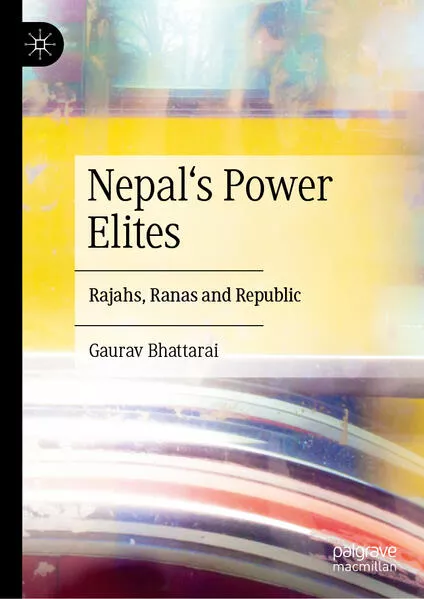
Nepal's Power Elites
To the ambitious Shah Rajah like Prithvi Narayan, foreign was Muglan—the abode of non-believers. Foreign was Bhot- the Nepali term for Tibet. Foreign was Firangi- the British colonizers. To the Rana ruler like Jung Bahadur, foreign was a little broader: crossing the sea, reaching Europe, meeting Queen Victoria, consuming foods prohibited by the then Nepali State, stucco palaces, English language, ballroom, and many more.
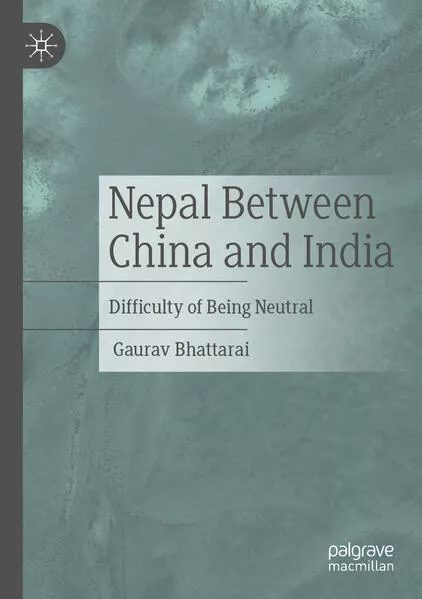
Nepal Between China and India
Nepal has a non-neutral history. As an imperial and expansionist power in the Himalayas from the days of its unification in 1769 AD to the Anglo-Nepal war of 1815, Nepal never remained neutral. Also, during the period of Colonialism in South Asia, and particularly after losing the war with the British in 1816, Nepal never exercised the policy of neutrality.
Nepal Between China and India
Nepal has a non-neutral history. As an imperial and expansionist power in the Himalayas from the days of its unification in 1769 AD to the Anglo-Nepal war of 1815, Nepal never remained neutral. Also, during the period of Colonialism in South Asia, and particularly after losing the war with the British in 1816, Nepal never exercised the policy of neutrality.
Nepal Between China and India
Nepal has a non-neutral history. As an imperial and expansionist power in the Himalayas from the days of its unification in 1769 AD to the Anglo-Nepal war of 1815, Nepal never remained neutral. Also, during the period of Colonialism in South Asia, and particularly after losing the war with the British in 1816, Nepal never exercised the policy of neutrality.