
- Publikationen ca: 3
- Fragen & Antworten
Mykhailo Minakov
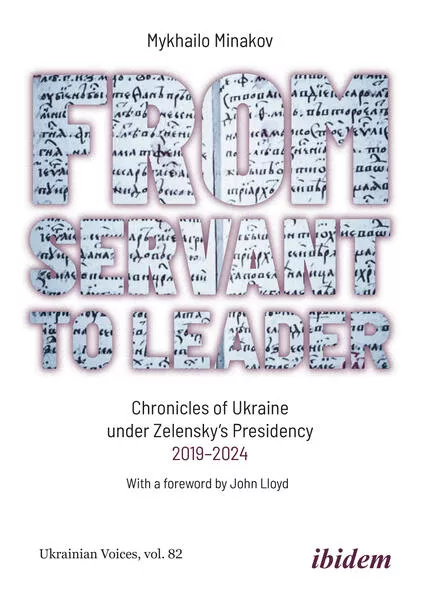
From Servant to Leader
President Zelensky is not only a showman and politician. He is also a political phenomenon through which history revealed something very important about Ukrainian society. This book is dedicated to Ukraine under the presidency of Volodymyr Zelensky. It consists of columns, originally written for the Kennan Institute’s expert blog Focus Ukraine.
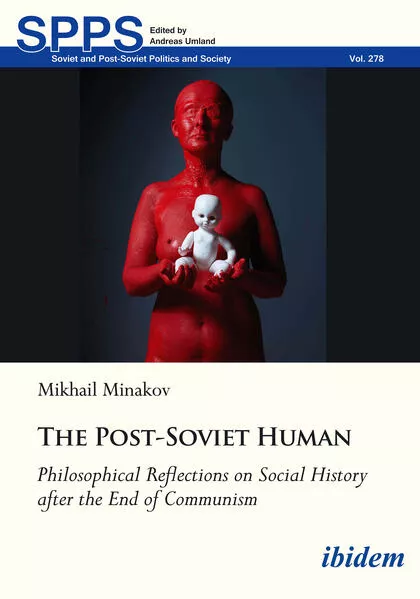
The Post-Soviet Human
The post-Soviet period (1989–2022) was, in its own way, an unprecedented era in human history. Its uniqueness lied not only in the fact that the USSR’s dissolution had opened opportunities for the people and nations of Eastern Europe and northern Eurasia to experience freedom and test their creative powers, but also in the fact that these opportunities did not extract a price comparable to the cost in human lives and suffering during the Russian Revolution and Civil War of 1917–24.
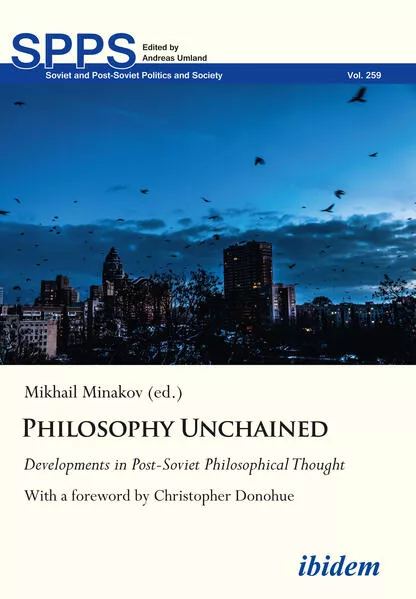
Philosophy Unchained
The East European nations’ common past in the Soviet Union connects them in terms of both their political histories and the evolution of their philosophical thought. The USSR’s dissolution created new opportunities, domestic and international, in science, politics, and business.