Schriften zur Balkanforschung
Politik und Gesellschaft im Vilayet Kosovo und im serbisch beherrschten Kosovo
Chronologie aller Bände (1 - 2)
Die Reihenfolge beginnt mit dem Buch "Politik und Gesellschaft im Vilayet Kosovo und im serbisch beherrschten Kosovo". Wer alle Bücher der Reihe nach lesen möchte, sollte mit diesem Band von Prof. Dr. Oliver Jens Schmitt beginnen. Die Reihe umfasst derzeit 2 Bände. Der neueste Band trägt den Titel "Du combat pour la "juste foi" au péché politique".
- Anzahl der Bewertungen für die gesamte Reihe: 0
- Ø Bewertung der Reihe: 0
- Start der Reihe: 03.08.2020
- Neueste Folge: 03.02.2022
Diese Reihenfolge enthält 2 unterschiedliche Autoren.
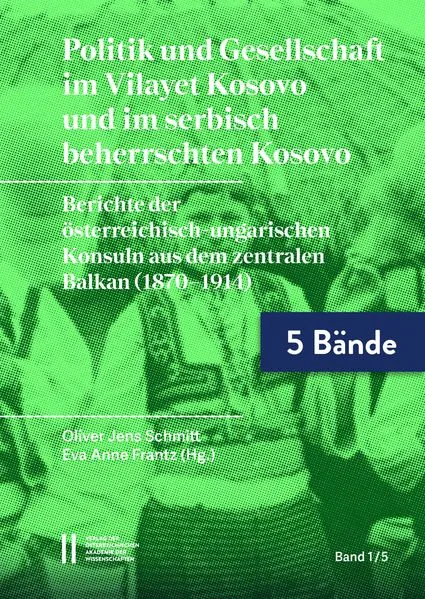
- Band: 1
- Autor: Prof. Dr. Oliver Jens Schmitt
- Anzahl Bewertungen: 0
- Ø Bewertung:
- Medium: Buch
- Veröffentlicht: 03.08.2020
- Genre: Sonstiges
Politik und Gesellschaft im Vilayet Kosovo und im serbisch beherrschten Kosovo
Österreichisch-ungarische Konsulatsberichte sind erstklassige Quellen zur Geschichte des spätosmanischen Balkans. Die vorliegende von Oliver Jens Schmitt und Eva Anne Frantz herausgegebene Edition bietet Berichte zum Vilayet Kosovo mit Verwaltungszentrum in Skopje, eine Provinz, die das Staatsgebiet des heutigen Kosovo, den Nordteil der heutigen Republik Nordmakedonien sowie den Sandžak von Novi Pazar (heute in Montenegro bzw. Serbien) umfasste. Es handelt sich um die umfangreichste Edition derartiger Quellen in den letzten Jahrzehnten, die Politik, Gesellschaft, Wirtschaft, Religion und Bildungswesen beleuchtet und daher als Ausgangspunkt weiterer Forschungen zum Osmanischen Reich dient, aber auch wegen der oftmals plastischen Beschreibungen als Lesebuch fungieren kann. Nicht zuletzt eignen sich die Texte auch für den akademischen Unterricht.
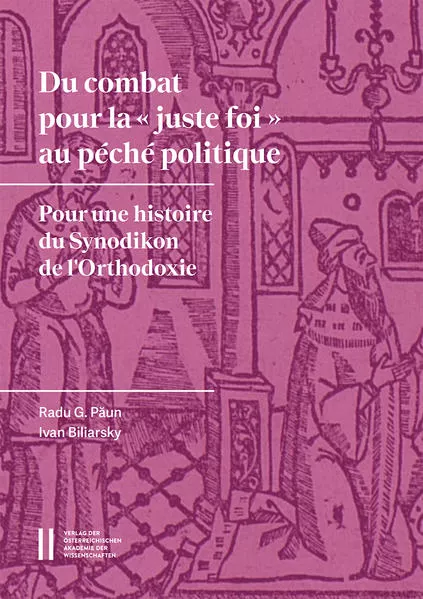
- Band: 4
- Autor: Păun, Radu G.
- Anzahl Bewertungen: 0
- Ø Bewertung:
- Medium: Buch
- Veröffentlicht: 03.02.2022
- Genre: Politik