Literatures, Cultures, and the Environment
George C. Williams and Evolutionary Literacy
Chronologie aller Bände (1 - 3)
Die Reihenfolge beginnt mit dem Buch "George C. Williams and Evolutionary Literacy". Wer alle Bücher der Reihe nach lesen möchte, sollte mit diesem Band von Michael P. Cohen beginnen. Der zweite Teil der Reihe "Energy Culture" ist am 25.04.2024 erschienen. Mit insgesamt 3 Bänden wurde die Reihe über einen Zeitraum von ungefähr 2 Jahren fortgesetzt. Der neueste Band trägt den Titel "Theorising the Postcolonial Eco-Novel".
- Anzahl der Bewertungen für die gesamte Reihe: 0
- Ø Bewertung der Reihe: 0
- Start der Reihe: 02.10.2023
- Neueste Folge: 16.11.2025
Diese Reihenfolge enthält 3 unterschiedliche Autoren.

- Autor: Cohen, Michael P.
- Anzahl Bewertungen: 0
- Ø Bewertung:
- Medium: Buch
- Veröffentlicht: 02.10.2023
- Genre: Sonstiges
George C. Williams and Evolutionary Literacy
- Autor: Porter, Jillian
- Anzahl Bewertungen: 0
- Ø Bewertung:
- Medium: Buch
- Veröffentlicht: 25.04.2024
- Genre: Sonstiges
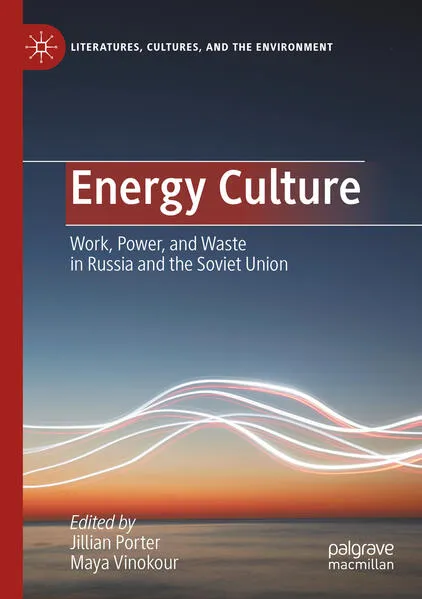
Energy Culture
This volume investigates energy as a shaping force in Russian and Soviet literature, visual culture, and social practice. Chronologically arranged chapters explain how nineteenth-century ideas about energy informed realist novels and paintings; how the poetics of energy defined pre-Revolutionary and Stalinist utopianism; and how fossil fuels, electricity, and nuclear fission generated distinct aesthetic features in Imperial Russian, Soviet, and post-Soviet literature, cinema, and landscape. The volume’s concentration on Russia responds to a clear need to understand the role the country plays in social, political, and economic processes endangering life on Earth today. The cultural dimension of Russia’s efforts at energy dominance deserves increased scholarly attention not only in its own right, but also because it directly affects global energy policy. As the contributors to this volume argue, the nationally inflected cultural myths that underlie human engagements with energyhave been highly consequential in the Anthropocene.
shortlisted for AATSEEL's Best Edited Multi-Author Scholarly Volume for 2023
- Autor: Rachel Fetherston
- Anzahl Bewertungen: 0
- Ø Bewertung:
- Medium: Buch
- Veröffentlicht: 16.11.2025
- Genre: Krimi
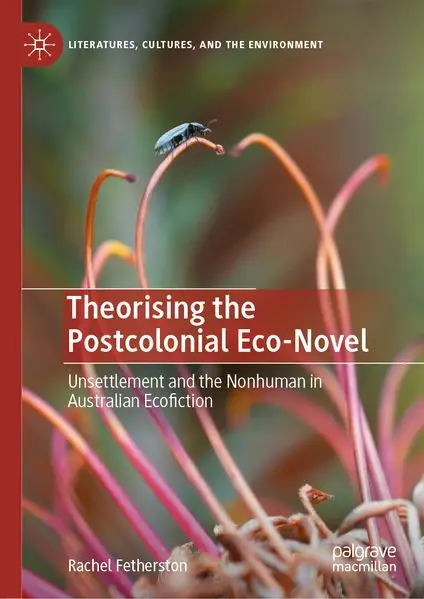
Theorising the Postcolonial Eco-Novel
This book explores how contemporary Australian ecofiction interrogates and challenges settler-colonial conceptions of nature and the nonhuman through a close-reading of nine Australian eco-novels. Fetherston's reading reveals the representation of the nonhuman in different contexts and the ability of fiction to destabilise settler claims on Australian land and the nonhuman. Texts covered include a combination of texts by First Nations authors, non-Indigenous Anglo-Celtic Australian authors writing within a settler-colonial literary tradition, and non-Indigenous Australian authors whose novels reflect diasporic literary practices. Fetherston argues that Australian ecofiction authors have established over the last decade a postcolonising eco-literary framework that connects the concepts of nonhuman agency and more-than human relationality with the notion of unsettlement, or unsettled belonging, in the context of the climate crisis.