Chronologie aller Bände (1 - 3)
Die Reihenfolge beginnt mit dem Buch "Germanische Kultorte". Wer alle Bücher der Reihe nach lesen möchte, sollte mit diesem Band von Matthias Egeler beginnen. Mit insgesamt 3 Bänden wurde die Reihe über einen Zeitraum von ungefähr 6 Jahren fortgesetzt. Der neueste Band trägt den Titel "Unwanted".
- Anzahl der Bewertungen für die gesamte Reihe: 0
- Ø Bewertung der Reihe: 0
- Start der Reihe: 31.05.2016
- Neueste Folge: 19.01.2022
Diese Reihenfolge enthält 2 unterschiedliche Autoren.
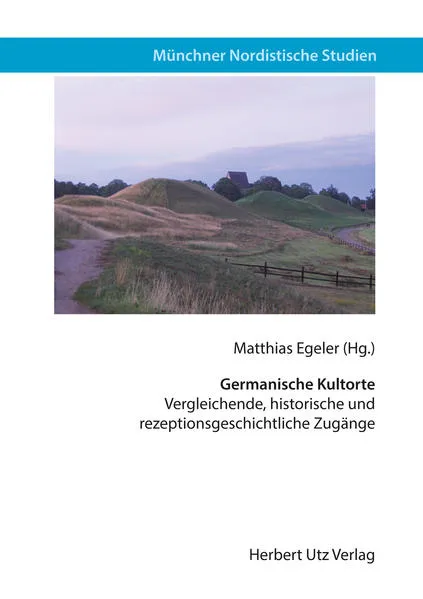
- Band: 24
- Autor: Egeler, Matthias
- Anzahl Bewertungen: 0
- Ø Bewertung:
- Medium: Buch
- Veröffentlicht: 31.05.2016
- Genre: Sonstiges
Germanische Kultorte
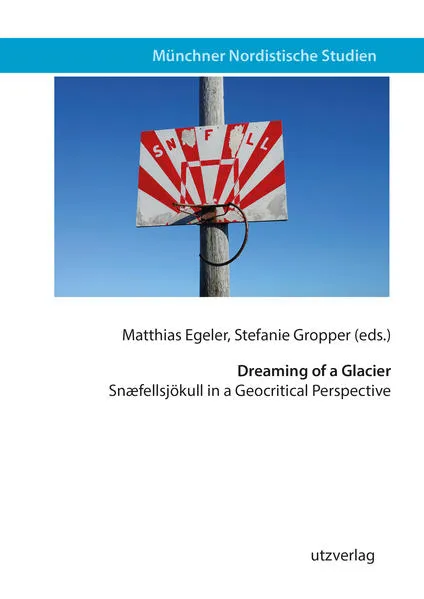
- Band: 45
- Autor: Egeler, Matthias
- Anzahl Bewertungen: 0
- Ø Bewertung:
- Medium: Buch
- Veröffentlicht: 16.06.2020
- Genre: Sonstiges
Dreaming of a Glacier
This volume presents a survey of the place of Snæfellsjökull in the Icelandic and European imagination. It adapts the paradigm of geocriticism, which shifts the focus of the scholarly investigation from the work of individual authors to the multitude of views that different authors, artists, and practitioners have on a single place. The results of the perambulation of Snæfellsjökull presented here show that both its cultural and literary history, as well as the paradigm of geocriticism, open up broad vistas that amply repay the effort necessary to tackle this mountain.
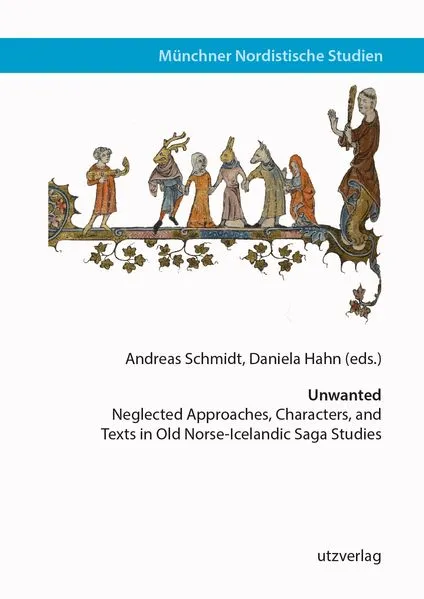
- Band: 50
- Autor: Schmidt, Andreas
- Anzahl Bewertungen: 0
- Ø Bewertung:
- Medium: Buch
- Veröffentlicht: 19.01.2022
- Genre: Sonstiges
Unwanted
The 9 essays collected in this volume are the result of a workshop for international doctoral and postdoctoral researchers in Old Norse-Icelandic Saga Studies held at the Institute for Nordic Philology (LMU) in Munich in December 2018. The contributors focus on ›unwanted‹, illicit, neglected, and marginalised elements in saga literature and research on it. The chapters cover a wide range of intra-textual phenomena, narrative strategies, and understudied aspects of individual texts and subgenres. The analyses demonstrate the importance of deviance and transgression as literary characteristics of saga narration, as well as the discursive parameters that have been dominant in Saga Studies. The aim of this collection is to highlight the productiveness of developing modified methodological approaches to the sagas and their study, with a starting point in narratological considerations.