
- Publikationen ca: 3
- Fragen & Antworten
Mark Bassin
Mark Bassin, Södertörn University, Stockholm, Sweden; Per-Anders Rudling, Uppsala University, Uppsala, Sweden
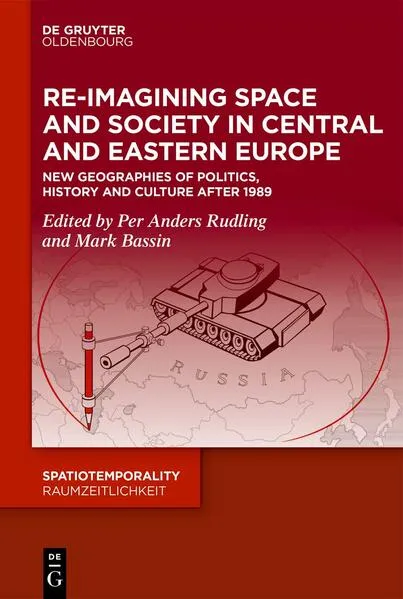
Re-Imagining Space and Society in Central and Eastern Europe
The end of what the GDR called “real existierender Sozialismus” in Europe at the beginning of the 1990s dramatically changed the geopolitical situation in Central and Eastern Europe. Five states ceased to exist, whereas 22 new states have been recognized, accompanied by a host of internationally unrecognized states.
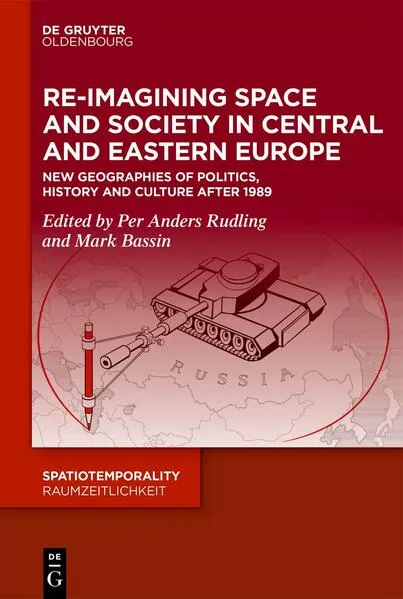
Re-Imagining Space and Society in Central and Eastern Europe
The end of what the GDR called “real existierender Sozialismus” in Europe at the beginning of the 1990s dramatically changed the geopolitical situation in Central and Eastern Europe. Five states ceased to exist, whereas 22 new states have been recognized, accompanied by a host of internationally unrecognized states.
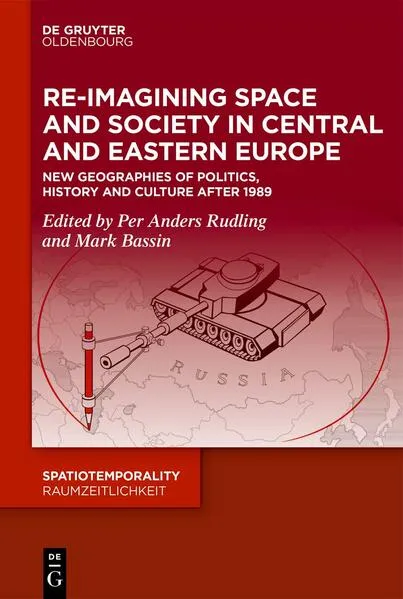
Re-Imagining Space and Society in Central and Eastern Europe
The end of what the GDR called “real existierender Sozialismus” in Europe at the beginning of the 1990s dramatically changed the geopolitical situation in Central and Eastern Europe. Five states ceased to exist, whereas 22 new states have been recognized, accompanied by a host of internationally unrecognized states.