Kein Foto
Autor

Christopher Wixson

6Publikationen

Christopher Wixson is Professor of English and Theatre at Eastern Illinois University, USA. His scholarly writing has appeared (in most cases, more than once) in Modern Drama, Studies in English Literature, the Journal of Modern Literature, Comparative Drama, ELT, Notes on Contemporary Literature, Pamphlet, The Harold Pinter Review, SHAW, The Shavian, American Drama, and The Columbia Encyclopedia of Modern Drama. He is the author of Bernard Shaw and Modern Advertising: Prophet Motives (Palgrave Macmillan, 2018) and Bernard Shaw: A Very Short Introduction (2020). Since 2017, he has served as the general editor of SHAW: The Journal of Bernard Shaw Studies.
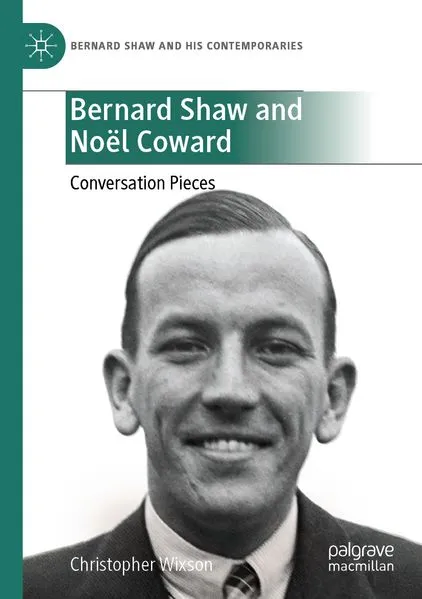
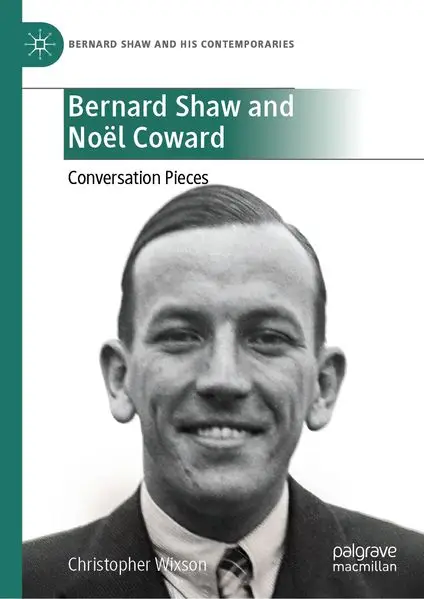
Bernard Shaw and Noël Coward

Bernard Shaw and Noël Coward

This book tracks dramaturgical affinities between some of Bernard Shaw’s late “extravagant” plays and those of Noël Coward, in particular their recasting of one another’s style and the tradition of manners comedy. While Coward’s first play (The Young Idea) all but plagiarizes You Never Can Tell and Shaw responds with his own depictions of the idle rich, their experimental plays in the 1930s also ambitiously engage issues of race and Empire, topics further outside their respective idioms.

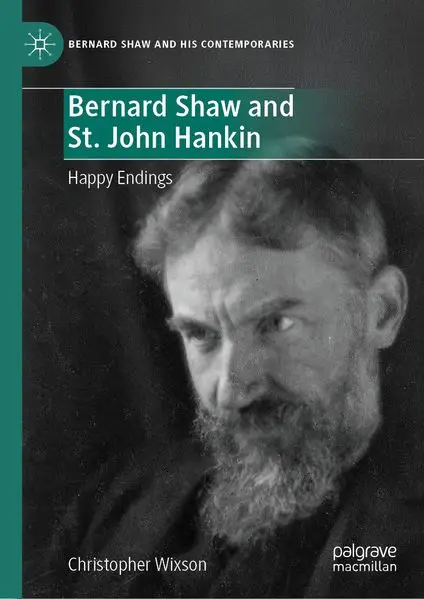
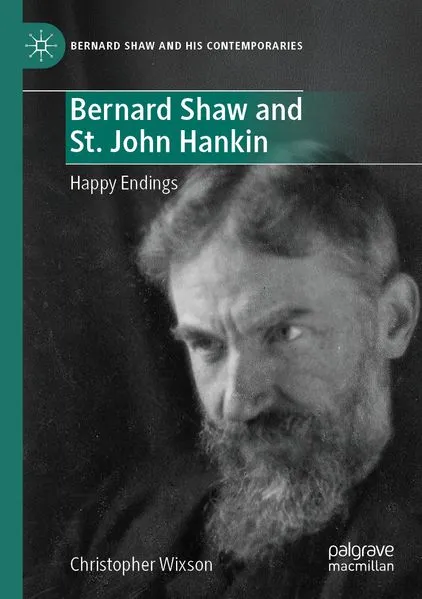
Bernard Shaw and St. John Hankin

Bernard Shaw and St. John Hankin

“This original study will no doubt draw attention to St. John Hankin’s work, which may in turn receive further scrutiny from scholars, students, and theatre practitioners.”Michel Pharand, Queen's UniversityThis book proposes a vibrant intertextual dialogue between St.

Bernard Shaw and Noël Coward

Bernard Shaw and Noël Coward

This book tracks dramaturgical affinities between some of Bernard Shaw’s late “extravagant” plays and those of Noël Coward, in particular their recasting of one another’s style and the tradition of manners comedy. While Coward’s first play (The Young Idea) all but plagiarizes You Never Can Tell and Shaw responds with his own depictions of the idle rich, their experimental plays in the 1930s also ambitiously engage issues of race and Empire, topics further outside their respective idioms.

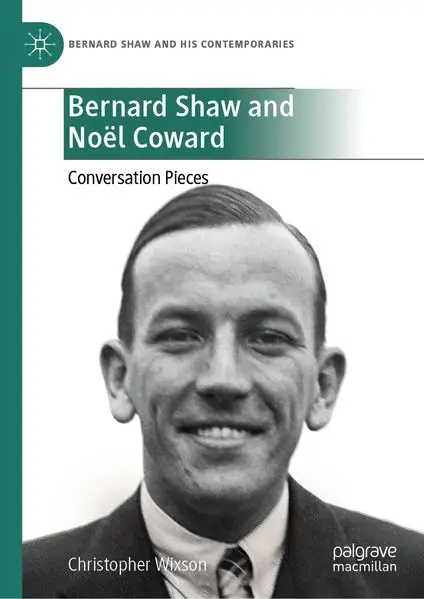
Bernard Shaw and Noël Coward

Bernard Shaw and Noël Coward

This book tracks dramaturgical affinities between some of Bernard Shaw’s late “extravagant” plays and those of Noël Coward, in particular their recasting of one another’s style and the tradition of manners comedy. While Coward’s first play (The Young Idea) all but plagiarizes You Never Can Tell and Shaw responds with his own depictions of the idle rich, their experimental plays in the 1930s also ambitiously engage issues of race and Empire, topics further outside their respective idioms.

Bernard Shaw and St. John Hankin

Bernard Shaw and St. John Hankin

“This original study will no doubt draw attention to St. John Hankin’s work, which may in turn receive further scrutiny from scholars, students, and theatre practitioners.”Michel Pharand, Queen's UniversityThis book proposes a vibrant intertextual dialogue between St.

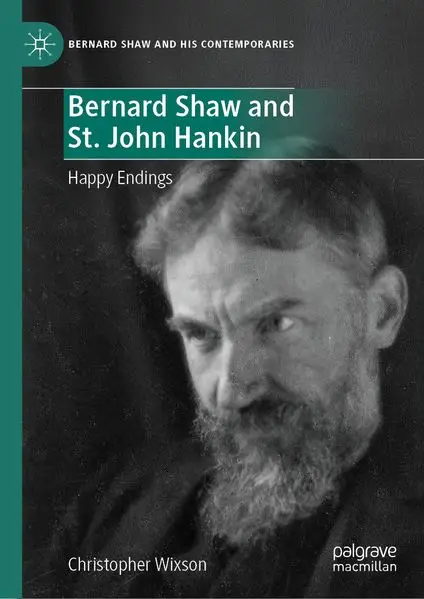
Bernard Shaw and St. John Hankin

Bernard Shaw and St. John Hankin

“This original study will no doubt draw attention to St. John Hankin’s work, which may in turn receive further scrutiny from scholars, students, and theatre practitioners.”Michel Pharand, Queen's UniversityThis book proposes a vibrant intertextual dialogue between St.