
- Publikationen ca: 3
- Fragen & Antworten
Francisca de Haan
Francisca de Haan is Emerita Professor of Gender Studies and History at the Central European University in Vienna, Austria, and Fellow at the International Institute of Social History in Amsterdam. Her research interests center on transnational women’s history and gender history, histories of inter/transnational women’s movements, socialist and communist women’s political activism, women’s work and women’s archives.
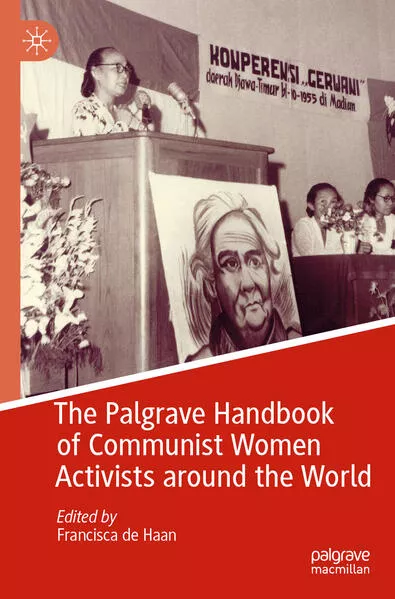
The Palgrave Handbook of Communist Women Activists around the World
This Handbook addresses the role of women in communism as a global, social and political movement for the first time, exploring their lives, forms of activism, political strategies and transnational networks. Comprising twenty-five chapters, based on new and primary research, the book presents the lives of self-identified communist women from a truly international perspective and outlines their struggles against fascism and colonialism, and for women’s emancipation and national liberation.
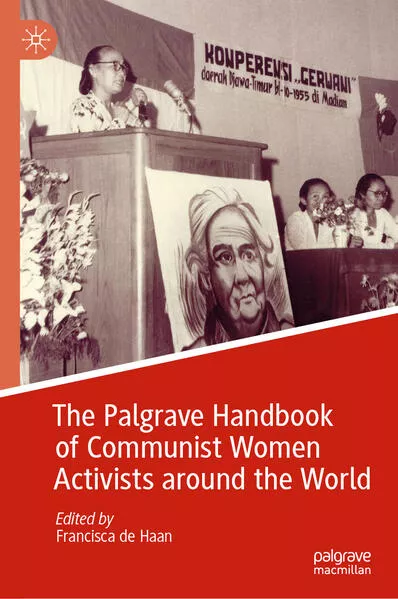
The Palgrave Handbook of Communist Women Activists around the World
This Handbook addresses the role of women in communism as a global, social and political movement for the first time, exploring their lives, forms of activism, political strategies and transnational networks. Comprising twenty-five chapters, based on new and primary research, the book presents the lives of self-identified communist women from a truly international perspective and outlines their struggles against fascism and colonialism, and for women’s emancipation and national liberation.

The Palgrave Handbook of Communist Women Activists around the World
This Handbook addresses the role of women in communism as a global, social and political movement for the first time, exploring their lives, forms of activism, political strategies and transnational networks. Comprising twenty-five chapters, based on new and primary research, the book presents the lives of self-identified communist women from a truly international perspective and outlines their struggles against fascism and colonialism, and for women’s emancipation and national liberation.