
- Publikationen ca: 3
- Fragen & Antworten
Lyndsie Ferrara
Lyndsie N. Ferrara is an assistant professor in the Forensic Science and Law Program at Duquesne University. She is a former forensic biologist at the U.S. Army Criminal Investigation Laboratory (USACIL), a forensics specialist/contractor for the Department of Justice's International Criminal Investigative Training Assistance Program (ICITAP) and project coordinator for a DNA mixture interpretation software company. She began working in the Duquesne University Forensics Science and Law program in May 2012, as a grant coordinator/program assistant and became a faculty member in 2014. Lyndsie's primary area of research relates to ethics education and bias in forensic science. She also continues work related to DNA mixture interpretation and research examining a variety of issues surrounding sexual assault. She is co-author of the book “True Crime and the Justice of God” that examines prominent criminal cases from forensic science and theological perspectives. Lyndsie has a B.S. in Biology, a M.S. in Forensic Science and Law and a Ph.D. in Healthcare Ethics.
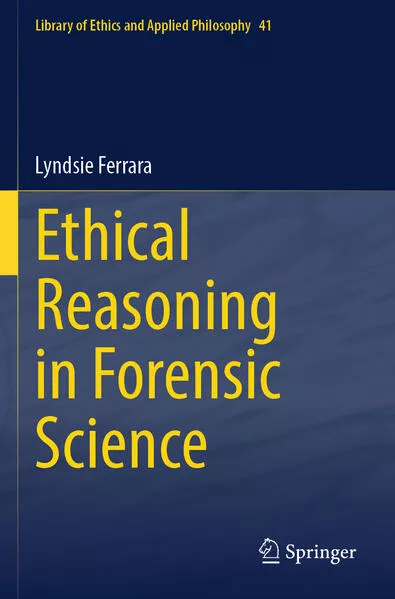
Ethical Reasoning in Forensic Science
This book explores the impact of ethical reasoning in forensic science and demonstrates that it is in fact a foundational skill required by those engaged in the field. Forensic science is viewed as a mechanism to aid the criminal justice system in finding truth, but failures within the field contribute to the growing injustice facing society.
Ethical Reasoning in Forensic Science
This book explores the impact of ethical reasoning in forensic science and demonstrates that it is in fact a foundational skill required by those engaged in the field. Forensic science is viewed as a mechanism to aid the criminal justice system in finding truth, but failures within the field contribute to the growing injustice facing society.
Ethical Reasoning in Forensic Science
This book explores the impact of ethical reasoning in forensic science and demonstrates that it is in fact a foundational skill required by those engaged in the field. Forensic science is viewed as a mechanism to aid the criminal justice system in finding truth, but failures within the field contribute to the growing injustice facing society.