- Publikationen ca: 3
- Fragen & Antworten
Ruth Hawthorn
Ruth Hawthorn is Senior Lecturer in American Literature at the University of Lincoln. She is currently completing a monograph on American detective fiction for the BAAS Paperbacks series with Edinburgh University Press. Her research interests include crime fiction, the literature of LA, and ecocriticism.
John Miller is Senior Lecturer in Nineteenth-Century Literature at the University of Sheffield, President of ASLE-UKI (Association for the Study of Literature and the Environment, UK and Ireland), and co-editor of Palgrave Studies in Animals in Literature. His books include Empire and the Animal Body (Anthem, 2014) and The Heart of the Forest (British Library Publishing, 2022).
Animals in Detective Fiction
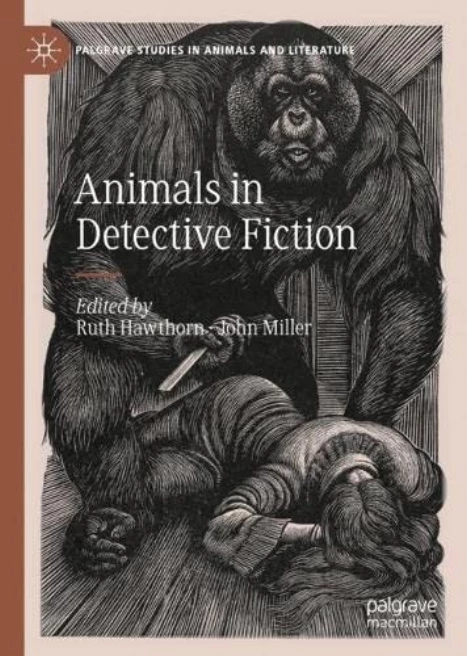
This book explores the vast array of animals that populate detective fiction. If the genre begins, as is widely supposed, with Edgar Allan Poe’s “Murders in the Rue Morgue” (1841), then detective fiction’s very first culprit is an animal. Animals, moreover, consistently appear as victims, clues, and companions, while the abstract conception of animality is closely tied to the idea of criminality.
Animals in Detective Fiction
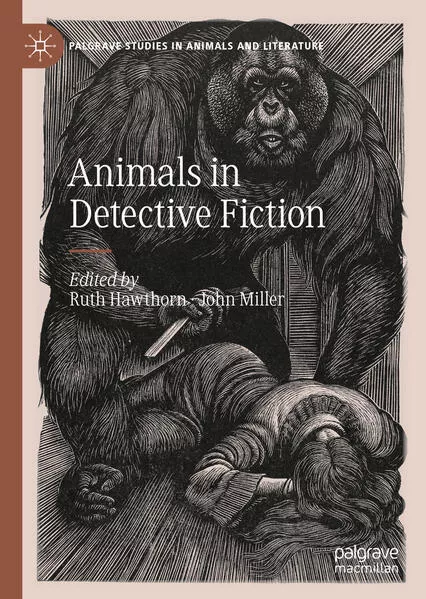
This book explores the vast array of animals that populate detective fiction. If the genre begins, as is widely supposed, with Edgar Allan Poe’s “Murders in the Rue Morgue” (1841), then detective fiction’s very first culprit is an animal. Animals, moreover, consistently appear as victims, clues, and companions, while the abstract conception of animality is closely tied to the idea of criminality.
Animals in Detective Fiction
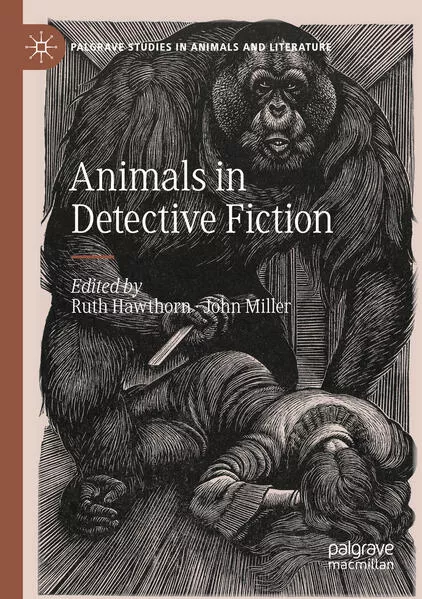
This book explores the vast array of animals that populate detective fiction. If the genre begins, as is widely supposed, with Edgar Allan Poe’s “Murders in the Rue Morgue” (1841), then detective fiction’s very first culprit is an animal. Animals, moreover, consistently appear as victims, clues, and companions, while the abstract conception of animality is closely tied to the idea of criminality.