- Publikationen ca: 3
- Fragen & Antworten
Ilam Khan
Dr. Ilam Khan is an Assistant Professor in the Department of Peace and Conflict Studies at the University of Swabi, Khyber, Pakhtunkhwa, Pakistan. His research focuses on issues at borderland between Pakistan and Afghanistan, popularly known as Durand Line, where many military operations are being carried out against terrorism, post-conflict peacebuilding, women in post-conflict environments, rehabilitation, nonviolent movements, restorative justice, and community-based approaches. He is a freelancer and has conducted a number of studies for national and international organizations like Asia Foundation; UNRCO; UNDOC; UN Women, etc.
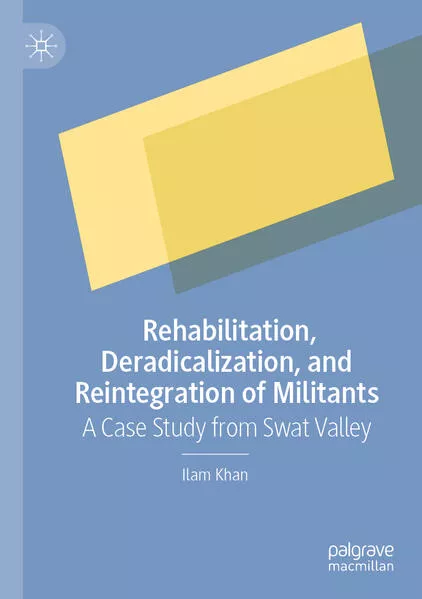
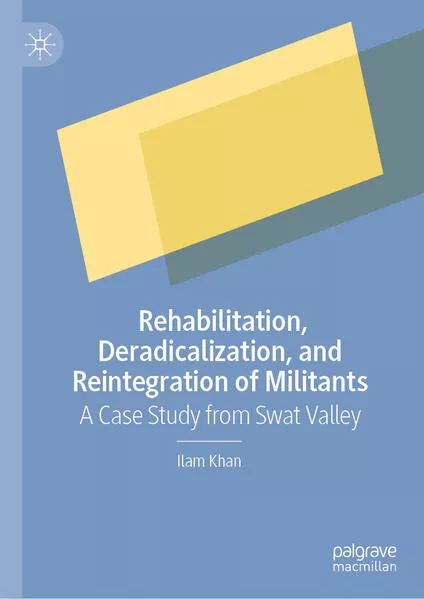
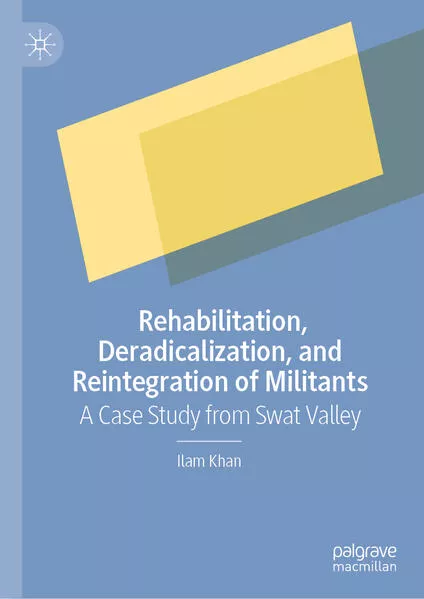
Rehabilitation, Deradicalization, and Reintegration of Militants
This ethnographic study focuses on post-conflict rehabilitation in Pakistan's Swat valley, addressing deradicalization, rehabilitation and reintegration in the context of militancy and counter-militancy. It provides a theoretical framework for rehabilitation, emphasizing disarmament, demobilization, and reintegration (DDR) and introduces the concepts of controlled environment, controlled society, and controlled rehabilitation within Swat's unique context.
Rehabilitation, Deradicalization, and Reintegration of Militants
This ethnographic study focuses on post-conflict rehabilitation in Pakistan's Swat valley, addressing deradicalization, rehabilitation and reintegration in the context of militancy and counter-militancy. It provides a theoretical framework for rehabilitation, emphasizing disarmament, demobilization, and reintegration (DDR) and introduces the concepts of controlled environment, controlled society, and controlled rehabilitation within Swat's unique context.
Rehabilitation, Deradicalization, and Reintegration of Militants
This ethnographic study focuses on post-conflict rehabilitation in Pakistan's Swat valley, addressing deradicalization, rehabilitation and reintegration in the context of militancy and counter-militancy. It provides a theoretical framework for rehabilitation, emphasizing disarmament, demobilization, and reintegration (DDR) and introduces the concepts of controlled environment, controlled society, and controlled rehabilitation within Swat's unique context.