
- Publikationen ca: 9
- Buchbewertungen ca: 25
- Fragen & Antworten
Nik Kinley
Shlomo Ben-Hur is an organizational psychologist and Professor of Leadership and Organizational Behavior at the IMD business school in Switzerland. He has more than 20 years of corporate experience in senior executive positions including Vice President of Leadership Development and Learning for the BP Group, and Chief Learning Officer for DaimlerChrysler Services.
Re-writing your Leadership Code
Where do your instincts come from and how can you improve them?Stretched by heavy workloads and facing ever more complex environments, leaders increasingly find themselves running on automatic and relying on their instincts. But depending on instincts is a bit like gambling, and as a result, stress levels, mistakes and failure rates are all on the up.
Changing Employee Behavior
An important part of every manager's job is changing people's behavior: improving someone’s performance, helping them better manage relationships with colleagues, or sometimes even stopping them doing something. Yet, despite the fact that changing people's behavior is such a fundamental skill for managers, there is little in the way of systematic support for them to go about it.
Re-writing your Leadership Code
Where do your instincts come from and how can you improve them?Stretched by heavy workloads and facing ever more complex environments, leaders increasingly find themselves running on automatic and relying on their instincts. But depending on instincts is a bit like gambling, and as a result, stress levels, mistakes and failure rates are all on the up.
Re-writing your Leadership Code
Where do your instincts come from and how can you improve them?Stretched by heavy workloads and facing ever more complex environments, leaders increasingly find themselves running on automatic and relying on their instincts. But depending on instincts is a bit like gambling, and as a result, stress levels, mistakes and failure rates are all on the up.
Changing Employee Behavior
An important part of every manager's job is changing people's behavior: improving someone’s performance, helping them better manage relationships with colleagues, or sometimes even stopping them doing something. Yet, despite the fact that changing people's behavior is such a fundamental skill for managers, there is little in the way of systematic support for them to go about it.
Changing Employee Behavior
An important part of every manager's job is changing people's behavior: improving someone’s performance, helping them better manage relationships with colleagues, or sometimes even stopping them doing something. Yet, despite the fact that changing people's behavior is such a fundamental skill for managers, there is little in the way of systematic support for them to go about it.
Leadership OS
Based on years of original research, this book controversially counters almost every existing leadership model and approach.It shows how as leaders rise to senior levels, their roles become less about doing things that directly drive results and more about directing and supporting others to achieve objectives.
Leadership OS
Based on years of original research, this book controversially counters almost every existing leadership model and approach.It shows how as leaders rise to senior levels, their roles become less about doing things that directly drive results and more about directing and supporting others to achieve objectives.
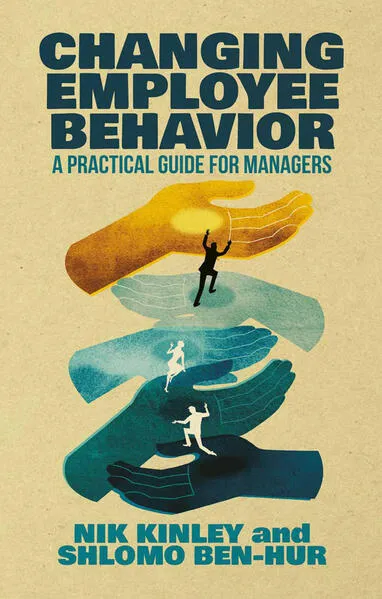
Changing Employee Behavior
An important part of every manager's job is changing people's behavior: to improve someone's performance, get them to better manage relationships with colleagues, or to stop them doing something. Yet, despite the fact that changing people's behavior is such an important skill for managers, too many are unsure how to actually go about it.