
- Publikationen ca: 3
- Fragen & Antworten
Jairzinho Lopes Pereira
Jairzinho Lopes Pereira is a Post-doctoral Research Fellow at the Centre of Mission and Global Studies at VID Specialized University, Stavanger, Norway. In July 2021, Jairzinho became a Member of the Portuguese History Academy. Previously, he has studied at the University of Coimbra in Portugal, at the University of Helsinki in Finland and at the University of Leuven in Belgium.
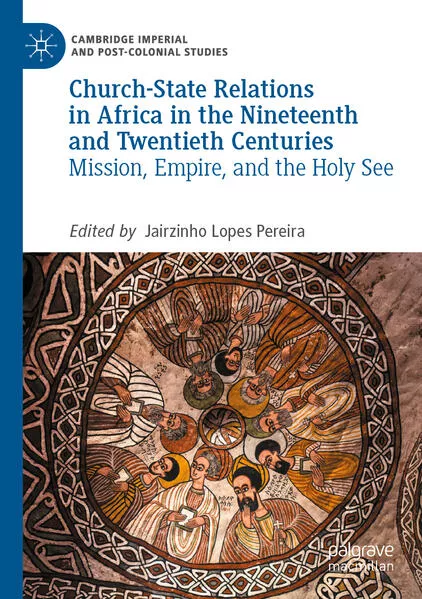
Church-State Relations in Africa in the Nineteenth and Twentieth Centuries
This edited collection examines church-state relations in the European colonies in Africa during the late nineteenth and twentieth centuries. The chapters focus on the period stretching from the most agitated stages of the ‘scramble for Africa’ during the 1870s and 1880s, to the great wave of independence of African colonies in the 1950s and 60s, and culminates in a discussion of colonial legacies during its aftermath.
Church-State Relations in Africa in the Nineteenth and Twentieth Centuries
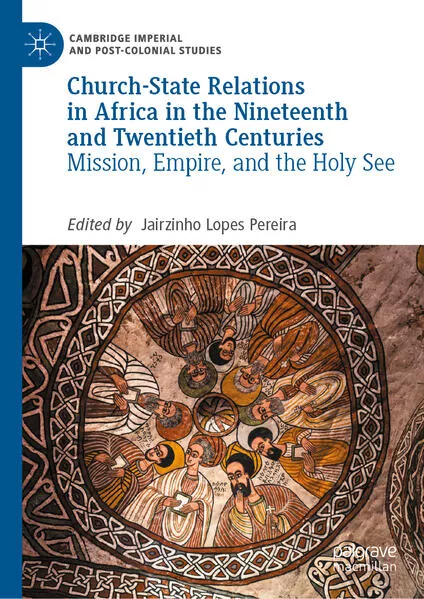
This edited collection examines church-state relations in the European colonies in Africa during the late nineteenth and twentieth centuries. The chapters focus on the period stretching from the most agitated stages of the ‘scramble for Africa’ during the 1870s and 1880s, to the great wave of independence of African colonies in the 1950s and 60s, and culminates in a discussion of colonial legacies during its aftermath.
Church-State Relations in Africa in the Nineteenth and Twentieth Centuries
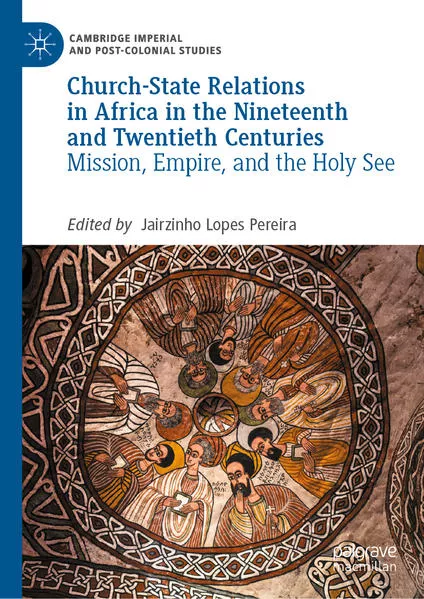
This edited collection examines church-state relations in the European colonies in Africa during the late nineteenth and twentieth centuries. The chapters focus on the period stretching from the most agitated stages of the ‘scramble for Africa’ during the 1870s and 1880s, to the great wave of independence of African colonies in the 1950s and 60s, and culminates in a discussion of colonial legacies during its aftermath.