
- Publikationen ca: 5
- Buchbewertungen ca: 1
- Fragen & Antworten
Christine Nickl-Weller
- Nickl & Partner – What’s Next? (Deutsche Sprachausgabe)
- Nickl & Partner – What’s Next? (English edition)
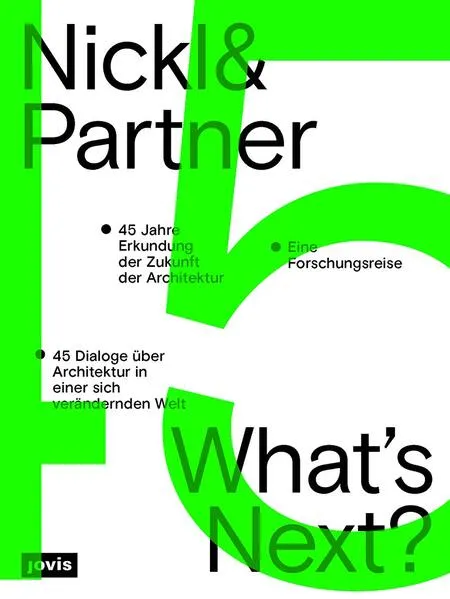
Nickl & Partner – What’s Next? (Deutsche Sprachausgabe)
What is good architecture? What challenges does the digital revolution hold for planning and design? Is having your own workspace important for your creativity? How does co-creation impact the design process? Can you do architecture without coffee? Looking back over forty-five years of work, Nickl & Partner architecture office pose forty-five questions, both large and small, about architecture.
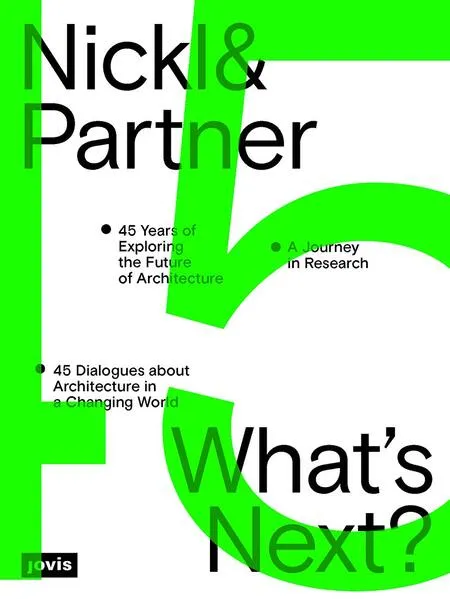
Nickl & Partner – What’s Next? (English edition)
Was ist gute Architektur? Welche Herausforderungen bringt die digitale Revolution für das Planen mit sich? Wie wichtig ist der eigene Arbeitsplatz für die Kreativität? Wie verändert Ko-Kreation den Entwurfsprozess? Geht Architektur auch ohne Kaffee? In 45 Fragen stellen sich Nickl & Partner Architekten großen wie kleinen Fragen der Architektur und blicken dabei zurück auf ihre 45-jährige Schaffensgeschichte.
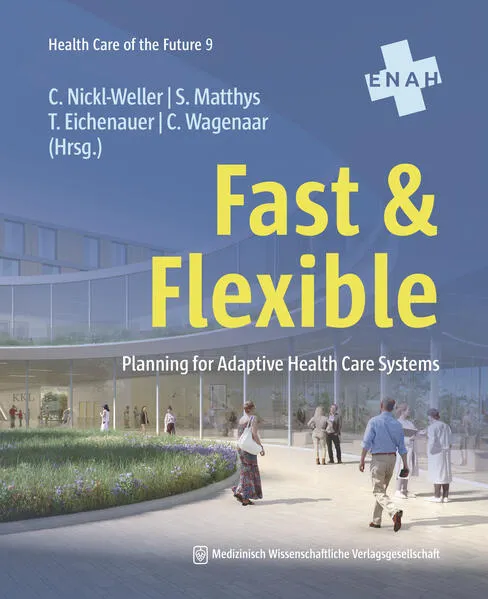
Fast & Flexible
The health care system is undergoing constant and increasingly rapid change, fuelled by digitalised processes, innovations in medicine and medical technology, and social upheavals. Sustainable hospital architecture must be able to keep pace with this constant regeneration.
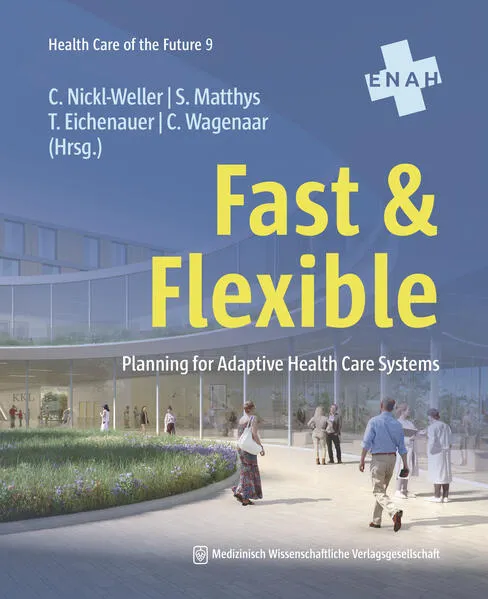
Fast & Flexible
The health care system is undergoing constant and increasingly rapid change, fuelled by digitalised processes, innovations in medicine and medical technology, and social upheavals. Sustainable hospital architecture must be able to keep pace with this constant regeneration.
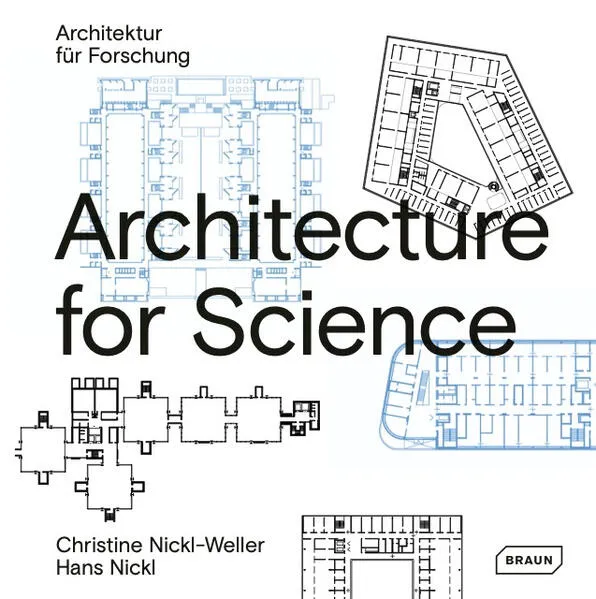
Architecture for Science | Architektur für Wissenschaft
Obwohl Forschung der Motor jeglicher Innovation ist, fristete das Forschungsgebäude als reiner Funktionsbau ein Dasein abseits des architektonischen Interesses. Inzwischen wurde realisiert, dass Räume für die Forschung und den Wissenstransfer mehr leisten können, als die reine Bereitstellung von Arbeitsplätzen und Experimentierflächen.