
- Publikationen ca: 3
- Fragen & Antworten
Francis Shor
Francis Shor received his Ph. D. in American Studies in 1976 from the University of Minnesota. After forty years of teaching at Wayne State University, he retired in 2014. He has published five books, one novel, and scores of articles. In addition to his academic work, he has been a long-time peace and justice activist, serving previously on the Boards of Peace Action of Michigan and the Michigan Coalition for Human Rights (MCHR). He was the Founder and former Director of the Public Education and Community Engagement (P.E.A.C.E.) Project. Presently, he is an Advisory Board member of MCHR and on the Board of the Congregation for Humanistic Judaism of Metro Detroit.
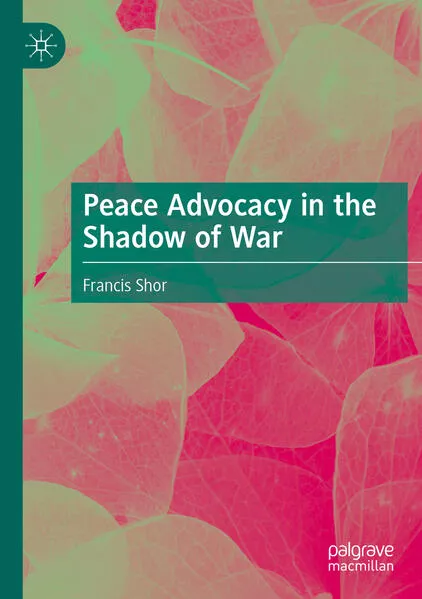
Peace Advocacy in the Shadow of War
For peace advocates a corollary to Clausewitz’s dictum that “war is politics by other means” might be that other politics could prevent war. By highlighting both individual peace advocates and antiwar/peace organizations from World War I through the wars of the 21st century, the chapters will provide insights into how these individuals and organizations articulated their opposition to and mobilized against specific wars and international/regional conflicts.
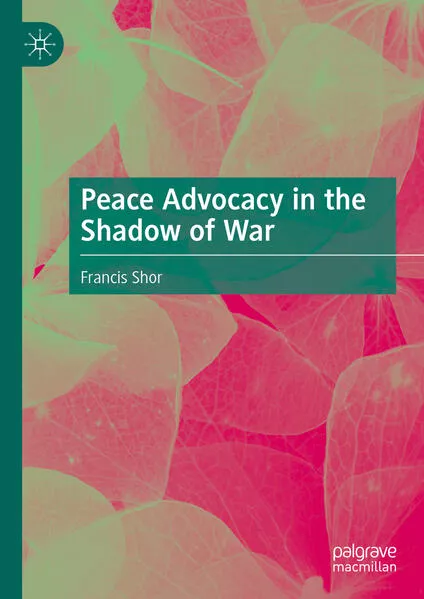
Peace Advocacy in the Shadow of War
For peace advocates a corollary to Clausewitz’s dictum that “war is politics by other means” might be that other politics could prevent war. By highlighting both individual peace advocates and antiwar/peace organizations from World War I through the wars of the 21st century, the chapters will provide insights into how these individuals and organizations articulated their opposition to and mobilized against specific wars and international/regional conflicts.
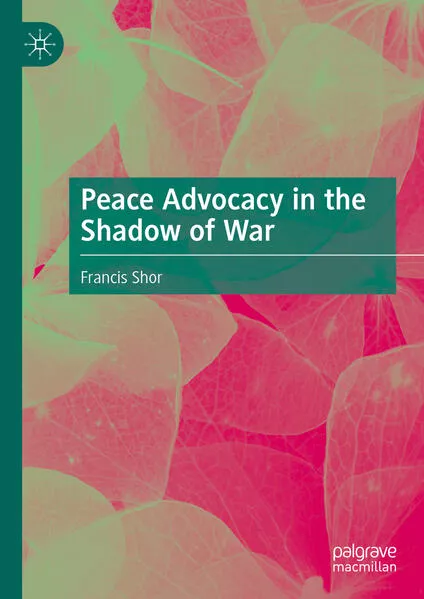
Peace Advocacy in the Shadow of War
For peace advocates a corollary to Clausewitz’s dictum that “war is politics by other means” might be that other politics could prevent war. By highlighting both individual peace advocates and antiwar/peace organizations from World War I through the wars of the 21st century, the chapters will provide insights into how these individuals and organizations articulated their opposition to and mobilized against specific wars and international/regional conflicts.