Palgrave Histories of Policing, Punishment and Justice
Crime and the Construction of Forensic Objectivity from 1850
Chronologie aller Bände (1 - 2)
Die Reihenfolge beginnt mit dem Buch "Crime and the Construction of Forensic Objectivity from 1850". Wer alle Bücher der Reihe nach lesen möchte, sollte mit diesem Band von Alison Adam beginnen. Der zweite Teil der Reihe "Women on Trial" ist am 27.09.2025 erschienen. Mit insgesamt 2 Bänden wurde die Reihe über einen Zeitraum von ungefähr 5 Jahren fortgesetzt. Der neueste Band trägt den Titel "Women on Trial".
- Anzahl der Bewertungen für die gesamte Reihe: 0
- Ø Bewertung der Reihe: 0
- Start der Reihe: 22.12.2020
- Neueste Folge: 27.09.2025
Diese Reihenfolge enthält 2 unterschiedliche Autoren.

- Autor: Adam, Alison
- Anzahl Bewertungen: 0
- Ø Bewertung:
- Medium: Buch
- Veröffentlicht: 22.12.2020
- Genre: Krimi
- Autor: Ingram, Caroline
- Anzahl Bewertungen: 0
- Ø Bewertung:
- Medium: Buch
- Veröffentlicht: 27.09.2025
- Genre: Krimi
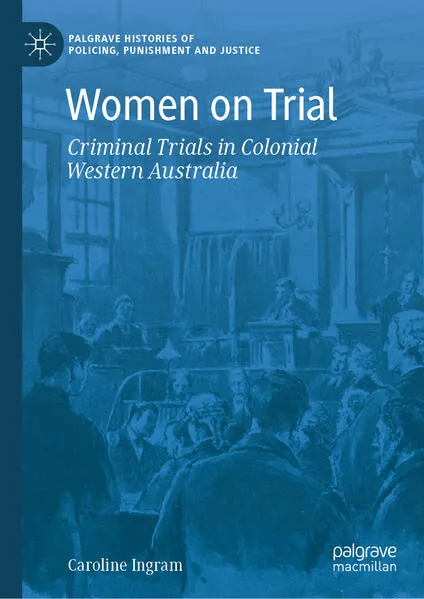
Women on Trial
This book considers how legal rules and institutions affected the outcome of women's trials in nineteenth century Western Australia and how this was mediated by various social and cultural constructs. It uses numerous case studies to determine the effect of legal representation, co-accused status, Aboriginality and mercy on the outcome of these women's trials. The stories of these mainly working-class women, often traced through trials records and witness depositions, also illuminates the challenges and pitfalls of their lives, the survival strategies they used to navigate these and the pathways that led them to be charged with serious crime. Western Australia offers a different set of conditions for examining female criminality. Its small population meant that women committing crime often became well-known identities within their communities and may have been known, at least by reputation, to the limited number of men eligible for jury duty. Western Australia's low population meant that the number of lawyers practising in the colony was small and that few judges were appointed. During this period Western Australia also created separate laws to apply only to Aboriginal defendants meaning that Aboriginal women became subject to different laws to non-Aboriginal women. The book examines how, and why, some women appeared to receive a more lenient outcome, whereas others were less fortunate. Despite the all-male nature of the criminal justice system in which they appeared, some women appeared to possess a degree of legal literacy which allowed them to use the system to achieve a more favourable outcome in court. This book will be of interest to scholars of criminology, as well as those interested in the history of crime, Western Australian history and the history of the criminal justice system in Australia.