Alternatives and Futures: Cultures, Practices, Activism and Utopias
Organizing Occupy Wall Street
Chronologie aller Bände (1 - 2)
Die Reihenfolge beginnt mit dem Buch "Organizing Occupy Wall Street". Wer alle Bücher der Reihe nach lesen möchte, sollte mit diesem Band von Marisa Holmes beginnen. Der zweite Teil der Reihe "Organizing Occupy Wall Street" ist am 10.07.2024 erschienen. Die Reihe umfasst derzeit 2 Bände. Der neueste Band trägt den Titel "Post-Apartheid Community-Based Activism".
- Anzahl der Bewertungen für die gesamte Reihe: 0
- Ø Bewertung der Reihe: 0
- Start der Reihe: 11.05.2023
- Neueste Folge: 23.09.2024
Diese Reihenfolge enthält 2 unterschiedliche Autoren.
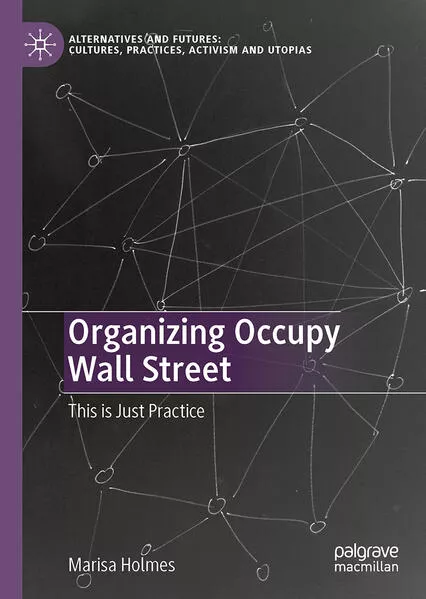
- Autor: Holmes, Marisa
- Anzahl Bewertungen: 0
- Ø Bewertung:
- Medium: Buch
- Veröffentlicht: 11.05.2023
- Genre: Politik
Organizing Occupy Wall Street
This book is the first study of the processes and structures of the Occupy Wall Street movement, written from the perspective of a core organizer who was involved from the inception to the end. While much has been written on OWS, few books have focused on how the movement was organized. Marisa Holmes, an organizer of OWS in New York City, aims to fill this gap by deriving the theory from the practice and analyzing a broad range of original primary sources, from collective statements, structure documents, meeting minutes, and live tweets, to hundreds of hours of footage from the OWS Media Working Group archive. In doing so, she reveals how the movement was organized in practice, which experiments were most successful, and what future generations can learn.
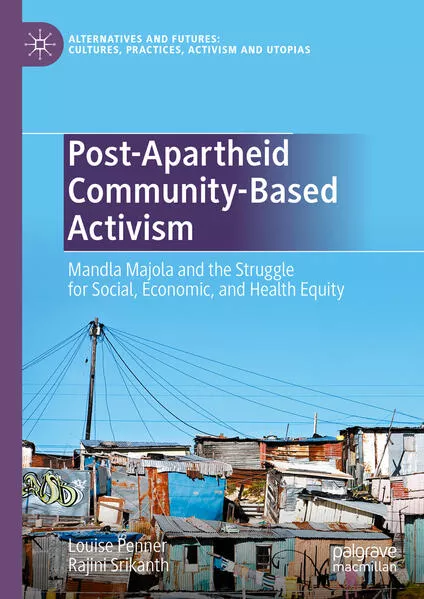
- Autor: Penner, Louise
- Anzahl Bewertungen: 0
- Ø Bewertung:
- Medium: Buch
- Veröffentlicht: 23.09.2024
- Genre: Politik
Post-Apartheid Community-Based Activism
This book provides a timely study of community-based activism in contemporary South Africa. Grounded in oral history, the book examines the acquired expertise and life experiences of an impactful South African activist, Mandla Majola, within the context of the people, circumstances, and affiliations that have shaped his strategic thinking and practice. The authors situate Mandla Majola’s activist and everyday experiences within histories of the complex connections between post-apartheid political and social movements and human rights discourse as they emerged after 1994. The book illuminates the relationship of state power to public health activism for HIV, tuberculosis and COVID-19 and for a life of basic human dignity, including access to sanitation and housing. Mandla Majola’s life spotlights the inspiring, sometimes grueling, and tireless quotidian work of thousands of “invisible” community-based activists whose collective actions have impacted the entire spectrum of social and economic rights of untold numbers of people in South Africa and beyond.