Chronologie aller Bände (1 - 4)

Die Reihenfolge beginnt mit dem Buch "For the Love of Nature". Wer alle Bücher der Reihe nach lesen möchte, sollte mit diesem Band von Shirley R. Steinberg beginnen. Der zweite Teil der Reihe "Out of Bounds" ist am 28.12.2009 erschienen. Mit insgesamt 4 Bänden wurde die Reihe über einen Zeitraum von ungefähr 15 Jahren fortgesetzt. Der neueste Band trägt den Titel "Paulo Freire".
- Anzahl der Bewertungen für die gesamte Reihe: 7
- Ø Bewertung der Reihe: 5
- Start der Reihe: 28.12.2009
- Neueste Folge: 23.08.2024
Diese Reihenfolge enthält 4 unterschiedliche Autoren.
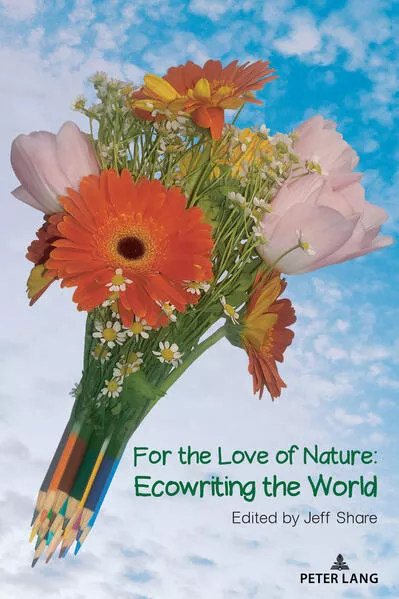
- Autor: Share, Jeff
- Anzahl Bewertungen: 0
- Ø Bewertung:
- Medium: Buch
- Veröffentlicht: 13.03.2024
- Genre: Sachbuch
For the Love of Nature
For the Love of Nature: Ecowriting the World brings together a series of essays that address the power and magic of writing about the natural world. The array of authors and locations, from Melbourne to Los Angeles to Rome, share their expertise in literacy and their passion for nature. They offer ideas and examples of ecowriting through various media and genres including videos, journals, letters, comic strips, poetry, and more. Their reflections on writing demonstrate a love of nature and concern for education that promotes social and environmental justice for students of all ages. The essays offer numerous examples for interacting with the environment. For the Love of Nature includes many entry points for ecowriting, from theoretical explanations to practical, step-by-step applications. The essays, student examples, lesson plans, and lists of resources provide everything a teacher needs to engage their students in reflecting on, participating with, and writing about the natural world.
This engaging collection posits the value of and need for instruction on ecowriting that fosters students’ relationships with the natural world and an appreciation of Indigenous/Non-Western ecological perspectives. The book includes useful essays on teaching various types and genres of ecowriting, including the use of digital media productions such as video and multimodal essays. It also includes examples of students’ essays, letters, and poems from Jeff Share’s environmental justice class that illustrate the instructional methods described in the book. Therefore, this book is a useful resource for teachers to incorporate ecowriting into their teaching to engage students in creatively portraying their experiences with the natural world for having them address the need for action about the global climate crisis.
Richard Beach, Professor Emeritus of English Education,
University of Minnesota
Drawing upon Indigenous wisdom and critical pedagogy, For the Love of Nature: Ecowriting the World is both a call to action and an important resource for teaching, learning, and enacting environmental justice. The beautiful collection of essays is a must-read for all K-12 educators interested in advancing educational and climate justice to create a more sustainable and caring world for our present and our future.
Annamarie M. Francois, Ed.D. Executive Director Center X, UCLA
This engaging collection posits the value of and need for instruction on ecowriting that fosters students’ relationships with the natural world and an appreciation of Indigenous/Non-Western ecological perspectives. The book includes useful essays on teaching various types and genres of ecowriting, including the use of digital media productions such as video and multimodal essays. It also includes examples of students’ essays, letters, and poems from Jeff Share’s environmental justice class that illustrate the instructional methods described in the book. Therefore, this book is a useful resource for teachers to incorporate ecowriting into their teaching to engage students in creatively portraying their experiences with the natural world for having them address the need for action about the global climate crisis.
Richard Beach, Professor Emeritus of English Education,
University of Minnesota
Drawing upon Indigenous wisdom and critical pedagogy, For the Love of Nature: Ecowriting the World is both a call to action and an important resource for teaching, learning, and enacting environmental justice. The beautiful collection of essays is a must-read for all K-12 educators interested in advancing educational and climate justice to create a more sustainable and caring world for our present and our future.
Annamarie M. Francois, Ed.D. Executive Director Center X, UCLA

- Band: 363
- Autor: Steinberg, Shirley R.
- Anzahl Bewertungen: 1
- Ø Bewertung: 5.0
- Medium: Buch
- Veröffentlicht: 28.12.2009
- Genre: Sonstiges
Out of Bounds
Out of Bounds explores the trajectories and challenges of exceptional men and women athletes who later became outstanding academic scholars. The book reports findings from participatory, qualitative research, and problematizes ways we have come to think about the separation and integration of athletic and academic practices – embodied in both institutions and individuals, and reflected through intersecting categories and experiences of race, gender, and social class. Through the provocative and surprising narratives of gifted athletes who became prolific scholars, this book offers significantly new ways of thinking about the connections, contradictions, and possibilities of sports and schools.
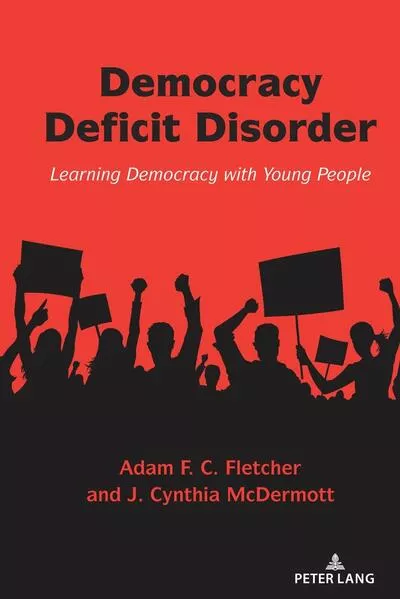
- Band: 540
- Autor: Fletcher, Adam F.C.
- Anzahl Bewertungen: 2
- Ø Bewertung: 5.0
- Medium: Buch
- Veröffentlicht: 11.07.2023
- Genre: Politik
Democracy Deficit Disorder
There is mounting evidence throughout the world that democracy is in retreat. This can be stopped and repaired by infusing it with action, beliefs, and knowledge. This book offers a powerful prescription to stop the democracy deficit disorder: authentically engaging young people throughout our democracy. Through critical thinking and substantive actions, adults can become allies to young people. This will lead to authentic youth engagement, which will make democracy more meaningful, purposeful, and sustainable than ever before.

- Band: 554
- Autor: Kirylo, James D.
- Anzahl Bewertungen: 0
- Ø Bewertung:
- Medium: Buch
- Veröffentlicht: 10.06.2011
- Genre: Politik
Paulo Freire
This revised and updated second edition of Paulo Freire: The Man from Recife recounts the life, thought, and experiences of a remarkable man who has left an indelible mark on the social sciences, education, and theology. As one who was born in the northeastern part of Brazil in a city called Recife, Freire experienced the sting of poverty and the pangs hunger within an unjust social and economic system, yet he emerged as a courageous, prophetic voice of conscience. With a new Foreword, Preface, and Afterword, notable stylistic changes in chapter structures, and updated chapters relevant to these contemporary times, this new revised, updated edition continues to bring attention to a man whose thought continues to influence around the globe.
This latest edition of Paulo Freire: The Man from Recife is a captivating and refreshing take on Paulo Freire's timeless principles…Kirylo skillfully incorporates issues like neoliberalism, destructive tribalism, and religious sectarian nationalism in dialogue with Freire's transformative ideas, underscoring the continued relevance of Freire’s thought in addressing today's challenges. This book is much more than a simple compendium of historical and bibliographical information; it is a call to action, an inspiration for change, and a testament to the power of critical and transformative education.
—DÉBORA B. AGRA JUNKER, PhD, Associate Professor of Critical Pedagogies, Founder and Director of Cátedra Paulo Freire, Garrett-Evangelical Theological Seminary
James D. Kirylo has brilliantly revised his foundational text on Paulo Freire's life and work. This new edition is panoramic and marvelously readable, expanding our knowledge of the contexts from which Freire emerged to become a leading advocate for social justice in education and society.
—IRA SHOR, Co-author with Paulo Freire, A Pedagogy for Liberation
Reading Paulo Freire: The Man from Recife deeply fascinated me. Each chapter on relevant passages from Paulo Freire's life and his intellectual and educational work expresses a profound connection between Kirylo and the Brazilian thinker, leading us to a clear understanding of the reasons that has made Freire a reference of universal and timeless repercussion. I am impressed by the admiration, affection and seriousness that Kirylo shows in the characterization of Paulo Freire’s land, his country and hometown. The book's structure, with short chapters and fluid language, makes it a pleasant and captivating journey, which increases our appetite for tasting each page.
—LUCIMARA CRISTINA DE PAULA, State University of Ponta Grossa, Parana, Brazil
James D. Kirylo’s Paulo Freire: The Man From Recife provides a unique portrait of one of the most influential educationists of the 20th century. This second edition – with its thoughtful revisions to the style, substance, and structure of the text – makes what was already a key work in Freirean scholarship even more accessible and engaging. Kirylo shows, with great insight and clarity, how Freire’s ideas emerged from his personal, pedagogical, and political experiences. I recommend this book very highly for anyone seeking to gain a better understanding of Paulo Freire – the intellectual, the teacher, and the man.
—PETER ROBERTS, University of Canterbury, New Zealand
This latest edition of Paulo Freire: The Man from Recife is a captivating and refreshing take on Paulo Freire's timeless principles…Kirylo skillfully incorporates issues like neoliberalism, destructive tribalism, and religious sectarian nationalism in dialogue with Freire's transformative ideas, underscoring the continued relevance of Freire’s thought in addressing today's challenges. This book is much more than a simple compendium of historical and bibliographical information; it is a call to action, an inspiration for change, and a testament to the power of critical and transformative education.
—DÉBORA B. AGRA JUNKER, PhD, Associate Professor of Critical Pedagogies, Founder and Director of Cátedra Paulo Freire, Garrett-Evangelical Theological Seminary
James D. Kirylo has brilliantly revised his foundational text on Paulo Freire's life and work. This new edition is panoramic and marvelously readable, expanding our knowledge of the contexts from which Freire emerged to become a leading advocate for social justice in education and society.
—IRA SHOR, Co-author with Paulo Freire, A Pedagogy for Liberation
Reading Paulo Freire: The Man from Recife deeply fascinated me. Each chapter on relevant passages from Paulo Freire's life and his intellectual and educational work expresses a profound connection between Kirylo and the Brazilian thinker, leading us to a clear understanding of the reasons that has made Freire a reference of universal and timeless repercussion. I am impressed by the admiration, affection and seriousness that Kirylo shows in the characterization of Paulo Freire’s land, his country and hometown. The book's structure, with short chapters and fluid language, makes it a pleasant and captivating journey, which increases our appetite for tasting each page.
—LUCIMARA CRISTINA DE PAULA, State University of Ponta Grossa, Parana, Brazil
James D. Kirylo’s Paulo Freire: The Man From Recife provides a unique portrait of one of the most influential educationists of the 20th century. This second edition – with its thoughtful revisions to the style, substance, and structure of the text – makes what was already a key work in Freirean scholarship even more accessible and engaging. Kirylo shows, with great insight and clarity, how Freire’s ideas emerged from his personal, pedagogical, and political experiences. I recommend this book very highly for anyone seeking to gain a better understanding of Paulo Freire – the intellectual, the teacher, and the man.
—PETER ROBERTS, University of Canterbury, New Zealand