Chronologie aller Bände (1 - 2)

Die Reihenfolge beginnt mit dem Buch "Species Cleansing". Wer alle Bücher der Reihe nach lesen möchte, sollte mit diesem Band von Gabriela Jarzębowska beginnen. Der zweite Teil der Reihe "Re-Thinking Agency" ist am 07.10.2024 erschienen. Die Reihe umfasst derzeit 2 Bände. Der neueste Band trägt den Titel "Re-Thinking Agency".
- Anzahl der Bewertungen für die gesamte Reihe: 0
- Ø Bewertung der Reihe: 0
Diese Reihenfolge enthält 2 unterschiedliche Autoren.
- Autor: Jarzębowska, Gabriela
- Anzahl Bewertungen: 0
- Ø Bewertung:
- Medium: Buch
- Veröffentlicht: 09.09.2024
- Genre: Politik
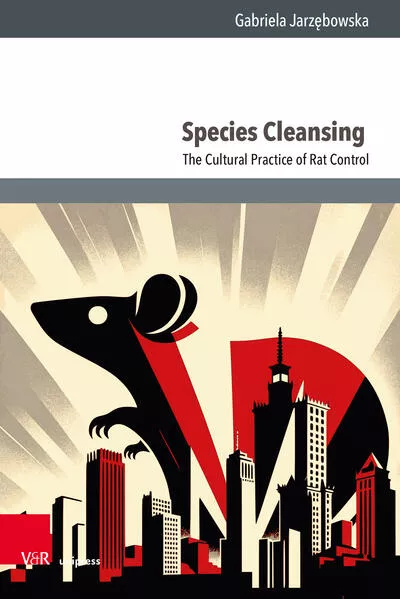
Species Cleansing
The book scrutinizes post-war rat control programs in Poland, exploring their intricate intersections with politics, science, and ideology. It delves into the impact of prevailing cultural narratives concerning problematic urban rodents on pest control and sanitary programs, as well as the ways in which biological factors shape, challenge, or impede political modernization initiatives. Employing urban rat populations as an unequivocal exemplar of an undesirable element, the author constructs an inquiry into the strategies of political exclusion. The analysis of rat extermination schemes facilitates an exploration of the patterns of social progress within a semi-peripheral country and the discursive shifts evident in political language regarding the troublesome non-human urban residents.
- Autor: Florea, Bogdan
- Anzahl Bewertungen: 0
- Ø Bewertung:
- Medium: Buch
- Veröffentlicht: 07.10.2024
- Genre: Sonstiges
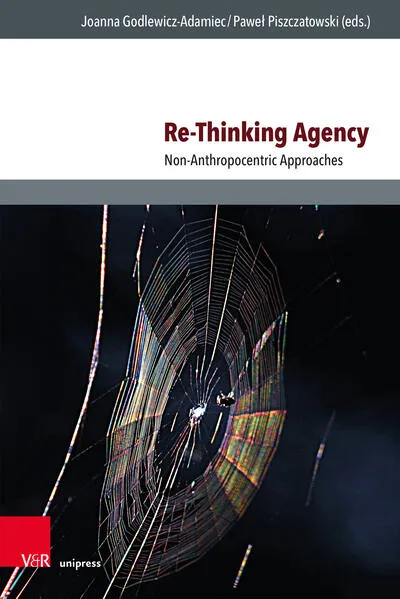
Re-Thinking Agency
The book explores the multi-faceted nature of contemporary reflections on agency, focusing on various discursive practices that shape the posthumanist approach to the relationship between the human and non-human world from a planetary perspective. The chapters delve into critical human-animal studies, examine new non-anthropocentric identity constructs, and offer analyses that reinterpret meanings through semiotic inversions and challenge static cultural patterns. The book concludes with discussions on decolonization practices that aim to liberate agency from oppressive systems, particularly those dominated by imperial phallogocentrism.