Chronologie aller Bände (1 - 3)
Die Reihenfolge beginnt mit dem Buch "From Fossil Fuels to Low Carbon Energy Transition". Wer alle Bücher der Reihe nach lesen möchte, sollte mit diesem Band von Geoffrey Wood beginnen. Der zweite Teil der Reihe "From Fossil Fuels to Low Carbon Energy Transition" ist am 25.08.2023 erschienen. Die Reihe umfasst derzeit 3 Bände. Der neueste Band trägt den Titel "Can Cities, States and Regions Save Our Planet?".
- Anzahl der Bewertungen für die gesamte Reihe: 0
- Ø Bewertung der Reihe: 0
- Start der Reihe: 24.08.2022
- Neueste Folge: 21.06.2024
Diese Reihenfolge enthält 3 unterschiedliche Autoren.
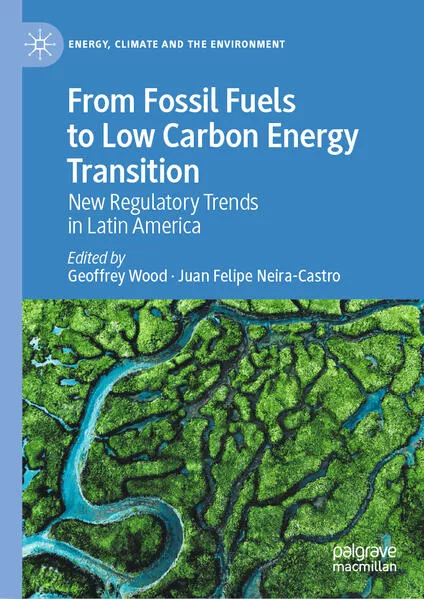
- Autor: Wood, Geoffrey
- Anzahl Bewertungen: 0
- Ø Bewertung:
- Medium: Buch
- Veröffentlicht: 24.08.2022
- Genre: Politik
From Fossil Fuels to Low Carbon Energy Transition
Focusing on five key themes - hydrocarbons, electricity, mining, social license to operate, and arbitration/dispute resolution- via in-depth country and regional case studies, this book seeks to capture the contrasting and sometimes conflicting trends in energy governance in Latin America as it wrestles with a dependence on fossil fuels whilst shifting toward a low carbon future.
Energy transition continues to sit at the centre of the Latin American policy debate as the world continues to push for carbon neutrality by 2050. Latin America is undergoing a renewable energy transition, with substantial reserves (solar, wind, hydro, geothermal) and many countries in the region setting ambitious renewable energy policies, laws, and regulations to address climate change. However, recent initiatives to promote renewables must be placed in context. Historically, Latin America has developed and improved its economic and social standards due primarily to an economy based on the extractive industries and fossil fuels. This places renewables at the crossroads of multiple drivers, as the region seek to ensure security of supply, attract investment, and facilitate a low carbon energy transition.
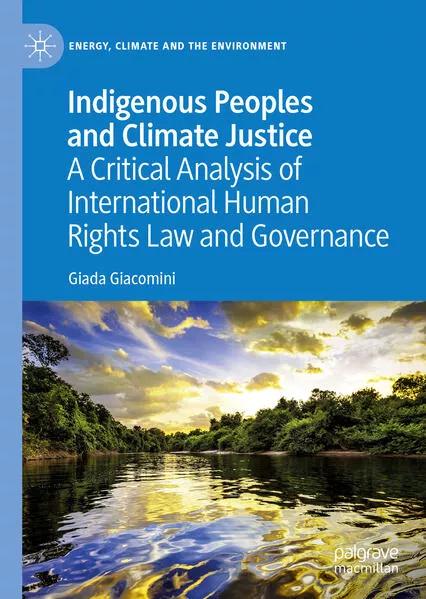
- Autor: Giacomini, Giada
- Anzahl Bewertungen: 0
- Ø Bewertung:
- Medium: Buch
- Veröffentlicht: 11.10.2022
- Genre: Politik
Indigenous Peoples and Climate Justice
This book provides a new interpretation of international law specifically dedicated to Indigenous peoples in the context of a climate justice approach. The book presents a critical analysis of past and current developments at the intersection of human rights and international environmental law and governance. The book suggests new ways forward and demonstrates the need for a paradigmatic shift that would enhance the meaningful participation of Indigenous peoples as fundamental actors in the conservation of biodiversity and in the fight against climate change. The book offers guidance on a number of critical intersecting and interdependent issues at the forefront of climate change law and policy – inside and outside of the UN climate change regime. The author suggests that the adoption of a critical perspective on international law is needed in order to highlight inherent structural and systemic issues of the international law regime which are all issues that ultimately impede the pursue of climate justice for Indigenous peoples.
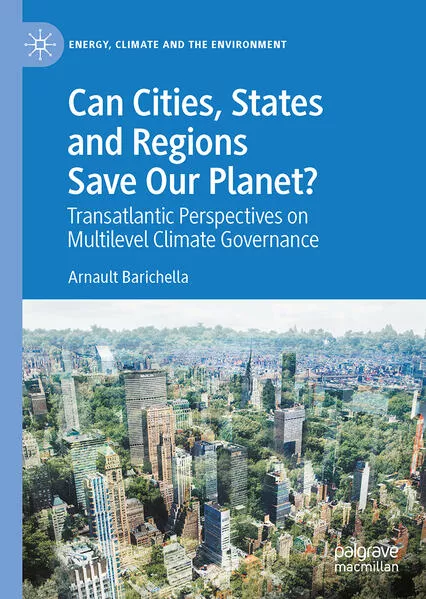
- Autor: Barichella, Arnault
- Anzahl Bewertungen: 0
- Ø Bewertung:
- Medium: Buch
- Veröffentlicht: 17.07.2023
- Genre: Politik