Chronologie aller Bände (1 - 2)

Die Reihenfolge beginnt mit dem eBook "Gendered Migrations". Wer alle eBookz der Reihe nach lesen möchte, sollte mit diesem Band von Jannatul Ferdous beginnen. Der zweite Teil der Reihe "Gendered Migrations" ist am 22.03.2025 erschienen. Die Reihe umfasst derzeit 2 Bände. Der neueste Band trägt den Titel "Gendered Migrations".
- Anzahl der Bewertungen für die gesamte Reihe: 0
- Ø Bewertung der Reihe: 0
- Start der Reihe: 21.03.2024
- Neueste Folge: 22.03.2025
Diese Reihenfolge enthält 2 unterschiedliche Autoren.
- Autor: Ferdous, Jannatul
- Anzahl Bewertungen: 0
- Ø Bewertung:
- Medium: E-Book
- Veröffentlicht: 21.03.2024
- Genre: Politik
Gendered Migrations
This book delves into the multifaceted interplay between gender, migration, and development. It challenges conventional theories by sharing the unique experiences of migrants, particularly women, and their profound impact on development in the global South. It contributes significantly to the theory of intersectionality, which illuminates how various forms of oppression and privilege intertwine to shape individuals' experiences. It ventures beyond traditional boundaries, recognizing migration and development as transnational processes that transcend singular actors and spaces. It highlights the interconnectedness of people, cultures, and economies across national borders, unraveling the complex tapestry of migration and development. It provides invaluable feminist perspectives, illuminating pathways toward inclusivity and equity in development. Through its nuanced analysis, this book paves the way for a more inclusive, equitable, and empowering future for individuals and communities. It is a valuable resource for policymakers, practitioners, and scholars seeking to promote social justice and gender equality in migration and development contexts.
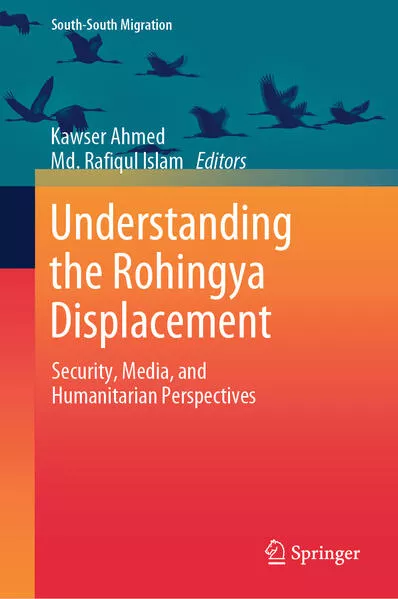
- Autor: Ahmed, Kawser
- Anzahl Bewertungen: 0
- Ø Bewertung:
- Medium: Buch
- Veröffentlicht: 23.04.2024
- Genre: Politik
Understanding the Rohingya Displacement
This book provides a focused and comprehensive understanding of the conflict surrounding the Rohingya displacement, using a unique peace and conflict transformation viewpoint. Divided into four sections and nineteen chapters, it covers significant themes related to the conflict. It provides an in-depth examination of its security implications, media impact, and the need for a long-term transformation strategy. The authors offer a sharp perspective on the crisis, covering a wide range of topics, including human rights abuses, geopolitics, media influence, and repatriation of the Rohingya. Each chapter focuses on a different aspect of the conflict, providing readers with a thorough understanding of the Rohingya displacement-related conflict. The authors advocate for a peaceful end to the conflict through repatriation, offering valuable conflict transformation tools for decision-makers in Bangladesh and around the world. This book is essential for anyone seeking a deeper understandingof the conflict's security implications and highlights original research from academics on the role of the media. It is relevant for scholars, politicians, decision-makers in the security and refugee management fields, academics studying the media, and humanitarian actors.