Chronologie aller Bände (1 - 2)
Die Reihenfolge beginnt mit dem Buch "Afrika – Atlantik – Amerika". Wer alle Bücher der Reihe nach lesen möchte, sollte mit diesem Band von Michael Zeuske beginnen. Der zweite Teil der Reihe "Afrika – Atlantik – Amerika" ist am 05.12.2022 erschienen. Die Reihe umfasst derzeit 2 Bände. Der neueste Band trägt den Titel "The Position of Roman Slaves".
- Anzahl der Bewertungen für die gesamte Reihe: 0
- Ø Bewertung der Reihe: 0
- Start der Reihe: 05.12.2022
- Neueste Folge: 17.06.2024
Diese Reihenfolge enthält 2 unterschiedliche Autoren.
- Band: 2
- Autor: Zeuske, Michael
- Anzahl Bewertungen: 0
- Ø Bewertung:
- Medium: Buch
- Veröffentlicht: 05.12.2022
- Genre: Sonstiges
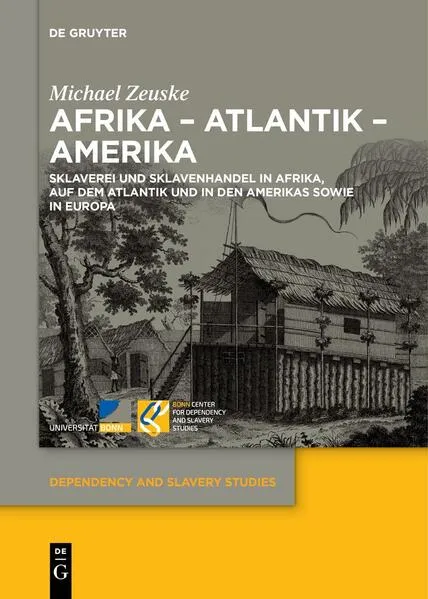
Afrika – Atlantik – Amerika
Der Hauptfokus des Buches sind die im Titel genannten Räume in Bezug auf das System der Atlantic slavery. Ich verstehe unter Atlantic slavery bzw. Atlantic slaveries sowohl die Sklaverei-Regimes an Land in Afrika und in Amerika, inclusive Inseln, wie auch Versklavung und Transport zu Land und zu Wasser sowie den Sklavenhandel auf dem Atlantik. Die drei territorialen Hauptelemente, vulgo Kontinente und Ozean, bilden das System Afrika-Atlantik-Amerikas (AAA). Europa spielte auch eine Rolle. Das Wesentliche war aber die Süd-Süd-Komponente, die vor allem unter iberischer Kontrolle stand (ca. 7 Millionen Versklavte aus Afrika von insgesamt rund 11 Millionen in die Amerikas Verschleppter). Das ist das strukturell-anthropologische Hauptproblem; das qualitative, aber auch chronologisch-historische, Hauptproblem ist die Bedeutung von AAA für die Geschichte der Moderne und des Kapitalismus.
- Band: 6
- Autor: Schermaier, Martin
- Anzahl Bewertungen: 0
- Ø Bewertung:
- Medium: E-Book
- Veröffentlicht: 20.03.2023
- Genre: Roman
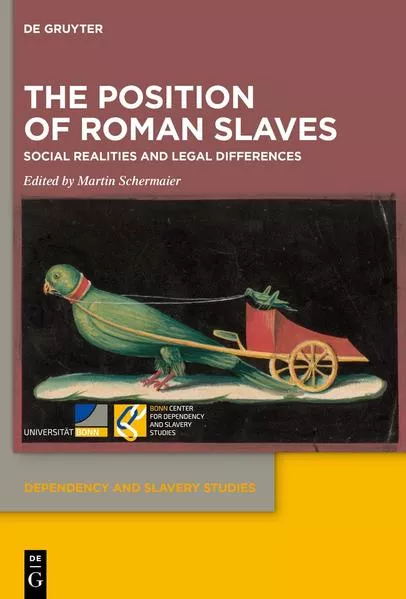
The Position of Roman Slaves
Slaves were property of their dominus, objects rather than persons, without rights: These are some components of our basic knowledge about Roman slavery. But Roman slavery was more diverse than we might assume from the standard wording about servile legal status. Numerous inscriptions as well as literary and legal sources reveal clear differences in the social structure of Roman slavery. There were numerous groups and professions who shared the status of being unfree while inhabiting very different worlds.
The papers in this volume pose the question of whether and how legal texts reflected such social differences within the Roman servile community. Did the legal system reinscribe social differences, and if so, in what shape? Were exceptions created only in individual cases, or did the legal system generate privileges for particular groups of slaves? Did it reinforce and even promote social differentiation? All papers probe neuralgic points that are apt to challenge the homogeneous image of Roman slave law. They show that this law was a good deal more colourful than historical research has so far assumed. The authors’ primary concern is to make this legal diversity accessible to historical scholarship.