Chronologie aller Bände (1 - 3)
Die Reihenfolge beginnt mit dem eBook "Neo-orthodoxe jüdische Belletristik in Deutschland (1859–1888)". Wer alle eBookz der Reihe nach lesen möchte, sollte mit diesem Band von Anja Kreienbrink beginnen. Mit insgesamt 3 Bänden wurde die Reihe über einen Zeitraum von ungefähr 7 Jahren fortgesetzt. Der neueste Band trägt den Titel "From Zagreb to Palestine".
- Anzahl der Bewertungen für die gesamte Reihe: 0
- Ø Bewertung der Reihe: 0
- Start der Reihe: 23.07.2018
- Neueste Folge: 31.12.2025
Diese Reihenfolge enthält 3 unterschiedliche Autoren.
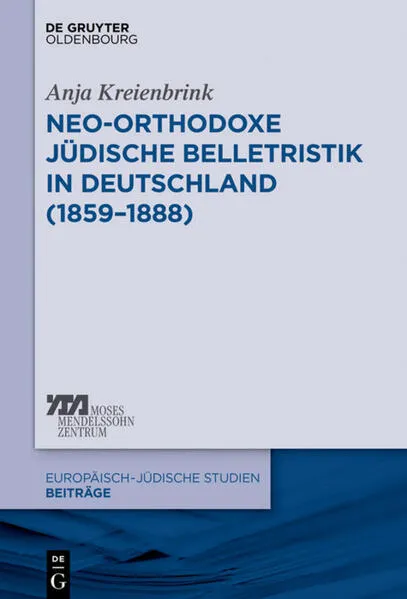
- Band: 29
- Autor: Kreienbrink, Anja
- Anzahl Bewertungen: 0
- Ø Bewertung:
- Medium: E-Book
- Veröffentlicht: 23.07.2018
- Genre: Sonstiges
Neo-orthodoxe jüdische Belletristik in Deutschland (1859–1888)
Im Zentrum des Bandes steht ein bislang kaum untersuchtes Phänomen der deutsch-jüdischen Literatur: Die beiden neo-orthodoxen Periodika Jeschurun und Der Israelit, die ab der Mitte des 19. Jahrhunderts als Fortsetzungserzählungen erschienen sind. Diese popularisieren das Ideal einer Partizipation gesetzestreuer Juden an der modernen Gesellschaft und inszenieren das Judentum als Familienreligion in Form von sentimentalen, mehrere Generationen umspannenden Liebesgeschichten. Dieses „Projekt" der Neudefinierung des Judentums, lokalisiert dieses primär im familiären Kontext und zeugt dennoch – oder gerade deshalb – von den komplexen Ordnungs- und Grenzziehungsstrategien des sich pluralisierenden Judentums, sowie einer Neuordnung der Geschlechterrollen. Das Medium der Feuilletonliteratur dient dabei nicht nur der Unterhaltung, sondern fungiert auch als ästhetisches Mittel der religiösen Wissensvermittlung und zeugt zugleich vom Anspruch dieser Literatur, als eigenständige Kunst wahrgenommen zu werden.
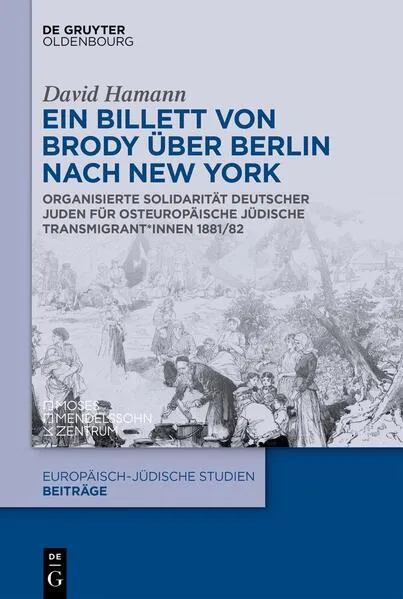
- Band: 67
- Autor: Hamann, David
- Anzahl Bewertungen: 0
- Ø Bewertung:
- Medium: Buch
- Veröffentlicht: 30.06.2025
- Genre: Sonstiges
Ein Billett von Brody über Berlin nach New York
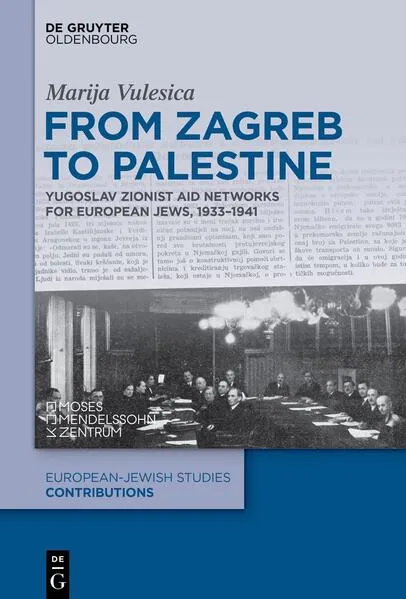
- Band: 74
- Autor: Vulesica, Marija
- Anzahl Bewertungen: 0
- Ø Bewertung:
- Medium: Buch
- Veröffentlicht: 31.12.2025
- Genre: Sonstiges
From Zagreb to Palestine
In the spring of 1933, Yugoslav Jewish communities founded several local aid committees for Jewish refugees from Germany. Very soon, the Zionistled Zagreb local committee took over the management and organisation of all refugee help. Its staff built up connections with Jewish organisations at home and abroad. However, contacts with the HICEM and the JDC inParis proved to be decisive. The nerve-wracking refugee work often led to battles over the distribution of funds, Palestine certifi cates, legal travel documents and safe escape routes. This study examines what concrete forms the aid measures of the local committees took, which specific obstacles aid workers had to overcome, how Zionism shaped their strategies, and what expectations refugees expressed toward the assistance provided. Based on research in numerous international archives, it analyses the scope for action of Yugoslav Jewish actors in the 1930s, provides new insights into refugee numbers, and the functioning of aid networks, and corrects outdated narratives. By focusing on the still neglected area of Southeast Europe, this study offers an original contribution to the Holocaust scholarship.