Chronologie aller Bände (1 - 2)

Die Reihenfolge beginnt mit dem Buch "Reckoning and Framing". Wer alle Bücher der Reihe nach lesen möchte, sollte mit diesem Band von Dániel Babai beginnen. Mit insgesamt 2 Bänden wurde die Reihe über einen Zeitraum von ungefähr 3 Jahren fortgesetzt. Der neueste Band trägt den Titel "The Multiple Lives of a River".
- Anzahl der Bewertungen für die gesamte Reihe: 0
- Ø Bewertung der Reihe: 0
- Start der Reihe: 01.02.2023
- Neueste Folge: 01.04.2026
Diese Reihenfolge enthält 2 unterschiedliche Autoren.
- Band: 1
- Autor: Babai, Dániel
- Anzahl Bewertungen: 0
- Ø Bewertung:
- Medium: Buch
- Veröffentlicht: 01.02.2023
- Genre: Sonstiges
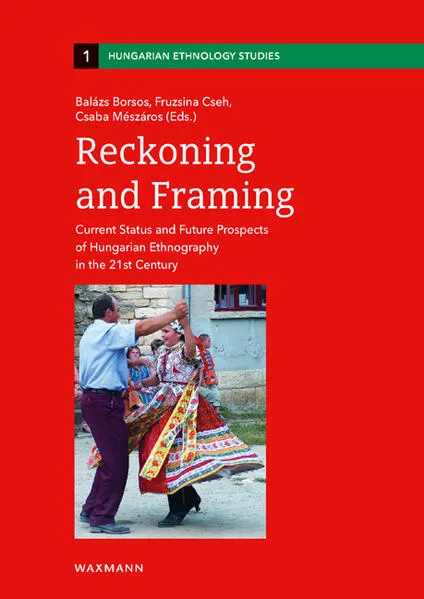
Reckoning and Framing
The first section discusses the dilemmas of ethnography/ethnology as an independent discipline. Articles in the second section provide a fresh perspective on the intrinsic interrelatedness of agriculture, livelihood, environmental perception, and traditional ecological knowledge studied by Hungarian ethnographers. The subsequent section scrutinizes research into and management of cultural heritage in Hungary and the role of ethnographic scholarship in safeguarding intangible heritage. The volume closes with insightful case studies on when ethnographic situations/experiences can be translated into meaningful social actions.
- Band: 3
- Autor: Zoltán Nagy
- Anzahl Bewertungen: 0
- Ø Bewertung:
- Medium: Buch
- Veröffentlicht: 01.04.2026
- Genre: Sonstiges
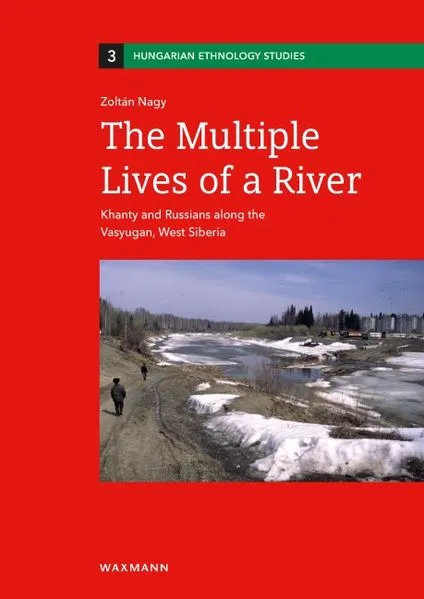
The Multiple Lives of a River
“The Multiple Lives of a River” presents the dynamics of life along the Western Siberian Vasyugan river, a life shared by the indigenous minority Khanty and by the majority Russians living alongside them. The focus is on one river, but the stories revealed may appear different when seen from different perspectives. It is as though there are several Vasyugan rivers, depending on whose stories I rely on: first is a river drenched in pain, shaped by the Stalinist reprisals; second is a raw, but romantic river, defined by the heroism of drilling for oil; third is a past-oriented Vasyugan of the indigenous people, depicted through the stereotypes of the majority society; and forth is a river which likewise belongs to the minority, but which is brought alive by political and cultural public life. Each of these rivers is equally characterised by dark shades of pastel, for each was defined, and is still defined, by the experiences and frameworks of the Soviet Union and Russia of the twentieth and twenty-first centuries.