Chronologie aller Bände (1 - 2)
Die Reihenfolge beginnt mit dem Buch "Social Anxiety and Social Phobia in Youth". Wer alle Bücher der Reihe nach lesen möchte, sollte mit diesem Band von Christopher Kearney beginnen. Der zweite Teil der Reihe "Insomnia and Anxiety" ist am 08.03.2010 erschienen. Mit insgesamt 2 Bänden wurde die Reihe über einen Zeitraum von ungefähr 7 Jahren fortgesetzt. Der neueste Band trägt den Titel "Insomnia and Anxiety".
- Anzahl der Bewertungen für die gesamte Reihe: 8
- Ø Bewertung der Reihe: 4.2
- Start der Reihe: 24.11.2004
- Neueste Folge: 03.05.2012
Diese Reihenfolge enthält 2 unterschiedliche Autoren.
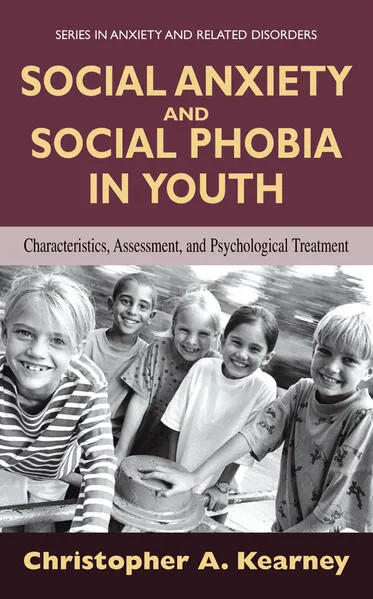
- Autor: Kearney, Christopher
- Anzahl Bewertungen: 2
- Ø Bewertung: 4.0
- Medium: Buch
- Veröffentlicht: 24.11.2004
- Genre: Sonstiges
Social Anxiety and Social Phobia in Youth
A great bene?t of being a clinical child psychologist is the opportunity to conduct and review research on fascinating areas of human, youthful behavior. And perhaps no behavior is as central to human existence as social behavior, and the lack thereof. In writing this book, therefore, I have been doubly blessed with the chance to examine seminal works on behaviors that are so critical to the development and quality of life of children. This book covers the major historical aspects, characteristics, asse- ment strategies, and psychological treatment techniques for youths with social anxiety and social phobia. Chapter 1 provides an introduction to the related constructs and history of social phobia. Chapters 2 and 3 provide a summary of the characteristics and etiological variables that pertain most to youths with social anxiety and social phobia. Chapters 4 and 5 provide an overview of research- and clinically-based assessment strategies and recommendations for this population. Chapters 6–9 provide a description of treatment techniques that are most relevant and empirically supported for youths with social anxiety and social phobia. Chapter 10 covers issues regarding general and relapse prevention as well as dif?cult cases and future directions.
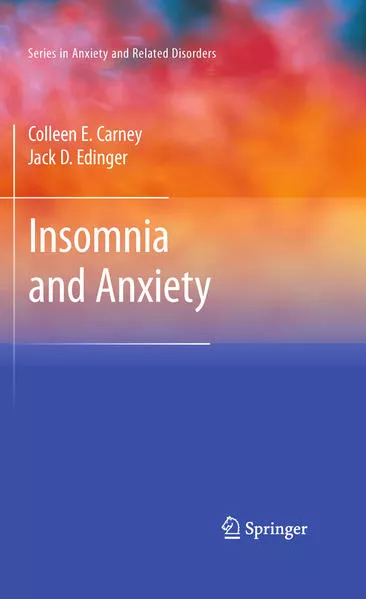
- Autor: Carney, Colleen E.
- Anzahl Bewertungen: 2
- Ø Bewertung: 4.5
- Medium: Buch
- Veröffentlicht: 08.03.2010
- Genre: Liebesroman
Insomnia and Anxiety
The statistics show that as much as twenty percent of the population suffers from chronic insomnia—and one-fourth of those with the condition eventually develop an anxiety disorder. As comorbid conditions, they contribute to any number of physical and social problems. Yet too often insomnia is undiagnosed, or treated as merely a symptom of the patient’s anxiety.
Insomnia and Anxiety is the first clinician guidebook that considers the evaluation and management of insomnia and related sleep disturbances that occur conjointly with the common anxiety disorders. By exploring the ways that one condition may exacerbate the other, its authors present robust evidence of the limitations of viewing insomnia as secondary to GAD, agoraphobia, PTSD, and others in the anxiety spectrum. The book reviews cognitive and emotional factors common to anxiety and sleep disorders, and models a cognitive-behavioral approach to therapy in which improved sleep is a foundation for improved symptom management. Beginning and veteran practitioners alike will find vital insights into all areas of these challenging cases, including:
Diagnostic and assessment guidelines.
Cognitive-behavior therapy for insomnia.
Behavioral strategies for managing insomnia in the context of anxiety.
Cognitive strategies for managing comorbid anxiety and insomnia.
Sleep-related cognitive processes.
Pharmacological treatment considerations.
Insomnia and Anxiety is highly useful to clinical psychologists given the range of treatment strategies it describes and to researchers because of its emphasis on the theoretical and empirical bases for its interventions. In addition, its accessible style makes it an excellent training tool for students of therapy and psychopathology.
Insomnia and Anxiety is the first clinician guidebook that considers the evaluation and management of insomnia and related sleep disturbances that occur conjointly with the common anxiety disorders. By exploring the ways that one condition may exacerbate the other, its authors present robust evidence of the limitations of viewing insomnia as secondary to GAD, agoraphobia, PTSD, and others in the anxiety spectrum. The book reviews cognitive and emotional factors common to anxiety and sleep disorders, and models a cognitive-behavioral approach to therapy in which improved sleep is a foundation for improved symptom management. Beginning and veteran practitioners alike will find vital insights into all areas of these challenging cases, including:
Diagnostic and assessment guidelines.
Cognitive-behavior therapy for insomnia.
Behavioral strategies for managing insomnia in the context of anxiety.
Cognitive strategies for managing comorbid anxiety and insomnia.
Sleep-related cognitive processes.
Pharmacological treatment considerations.
Insomnia and Anxiety is highly useful to clinical psychologists given the range of treatment strategies it describes and to researchers because of its emphasis on the theoretical and empirical bases for its interventions. In addition, its accessible style makes it an excellent training tool for students of therapy and psychopathology.