Studies in Modern German and Austrian Literature

The GDR Today

Chronologie aller Bände (1 - 6)

Die Reihenfolge beginnt mit dem Buch "The GDR Today". Wer alle Bücher der Reihe nach lesen möchte, sollte mit diesem Band von Stephan Ehrig beginnen. Mit insgesamt 6 Bänden wurde die Reihe über einen Zeitraum von ungefähr 5 Jahren fortgesetzt. Der neueste Band trägt den Titel "The GDR Tomorrow".

  • Anzahl der Bewertungen für die gesamte Reihe: 1
  • Ø Bewertung der Reihe: 3
  • Start der Reihe: 31.08.2018
  • Neueste Folge: 31.01.2024

Diese Reihenfolge enthält 6 unterschiedliche Autoren.
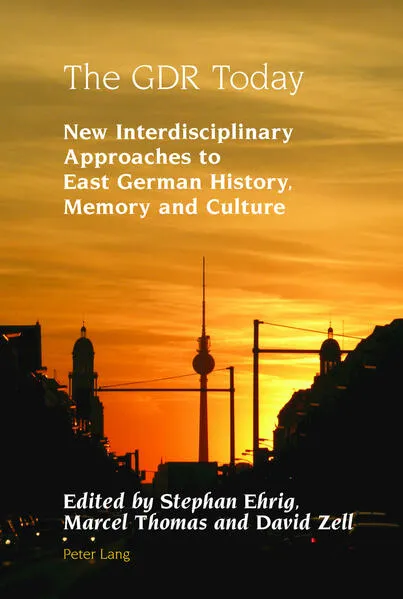
Cover: The GDR Today
  • Band: 6
  • Autor: Ehrig, Stephan
  • Anzahl Bewertungen: 1
  • Ø Bewertung: 3.0
  • Medium: Buch
  • Veröffentlicht: 31.08.2018
  • Genre: Sonstiges

The GDR Today

The GDR Today promotes interdisciplinary approaches to East Germany by gathering articles from a new generation of scholars in the fields of literary and visual studies, history, sociology, translation studies, political science, museum studies and curating practice. The contributors to this volume argue that it is necessary to transgress disciplinary boundaries to escape the gridlocked categories of GDR scholarship. Exploring East German everyday life, cultural policies, memory and memorialization, the volume aims to reinvigorate the study of the GDR. Through the combination and juxtaposition of different approaches to East Germany, it overcomes intra-disciplinary conceptual binaries and revitalizes debates about the very concepts we use to understand life under late twentieth-century state socialism.
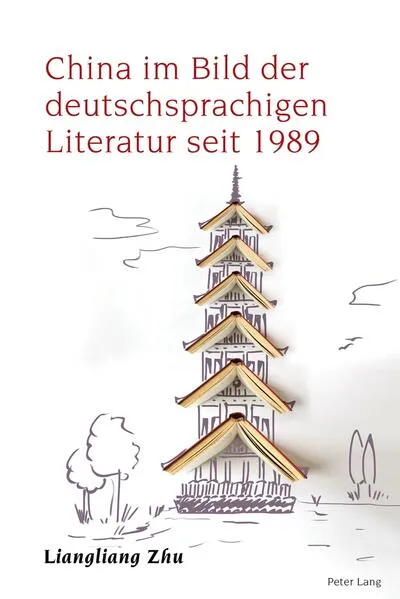
Cover: China im Bild der deutschsprachigen Literatur seit 1989
  • Band: 8
  • Autor: Zhu, Liangliang
  • Anzahl Bewertungen: 0
  • Ø Bewertung:
  • Medium: Buch
  • Veröffentlicht: 18.09.2018
  • Genre: Sonstiges

China im Bild der deutschsprachigen Literatur seit 1989

China als Motiv in der deutschsprachigen Literatur kann auf eine lange Tradition zurückblicken. Die Darstellung Chinas in verschiedenen Epochen hängt jedoch nicht selten eng mit dem Zeitgeist und den historischen Gegebenheiten der jeweiligen Epoche zusammen. Die Niederschlagung der Studentenbewegung auf dem Platz des Himmlischen Friedens in Peking im Juni 1989 und der Fall der Berliner Mauer nur fünf Monate später, gefolgt von der Wiedervereinigung Deutschlands, führten jedoch u.a. dazu, dass deutsche Literaten nun enttäuscht und ernüchtert nach China blickten. In diesem Zusammenhang drängt sich die Frage auf, wie die Volksrepublik in der gegenwärtigen deutschsprachigen Literatur, vornehmlich in der Romanliteratur, dargestellt wird. Anhand von acht ausgewählten deutschen Romanen mit China-Motiven, die nach 1989 erschienen sind, soll die aktuelle Darstellung Chinas in der deutschsprachigen Gegenwartsliteratur untersucht werden. Dabei wird den Fragen nachgegangen, warum es so zustande gekommen ist und welche Entwicklungsperspektiven sich daraus ableiten lassen.

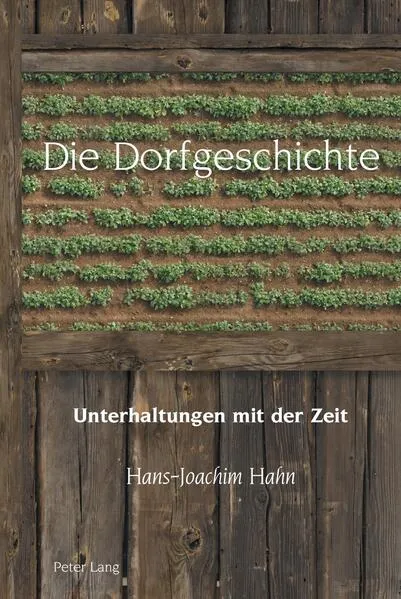
Cover: Die Dorfgeschichte
  • Band: 10
  • Autor: Hahn, Hans-Joachim
  • Anzahl Bewertungen: 0
  • Ø Bewertung:
  • Medium: Buch
  • Veröffentlicht: 27.05.2021
  • Genre: Sonstiges

Die Dorfgeschichte

Die Dorfgeschichte im Vormärz kennzeichnet eine Ablehnung der neoklassizistischen « Kunstperiode » zugunsten der von Robert Prutz definierten « Unterhaltungsliteratur ». Das bedeutet die Hinwendung des auktorialen Erzählers zur Erzählgegenwart, eine oft autobiographisch ausgerichtete Ortsgebundenheit, « Oralität » mit gelegentlicher Verwendung von Dialekt und dem durchgängigen Gebrauch « einfacher Formen ». Die Darstellung sentimentalischer Gefühlsregungen der Dorfbewohner entspricht den demokratischen Bestrebungen der Aufklärung, sie sind Teil ihrer emanzipatorischen Selbstbestimmung. Während in Frühformen der Dorfgeschichte der Schweiz (Zschokke, Gotthelf) didaktische Aspekte im Vordergrund stehen, sind es im Vormärz, der Kernzeit der Dorfgeschichten, gesellschaftspolitische Anliegen. Nach 1848 degenerierte die Dorfgeschichte durch zunehmend reaktionären Nationalismus zur « Heimatliteratur ». Ein erneutes Interesse an Dorfgeschichten begann in der DDR in den 1960iger Jahren und erfuhr in der BRD um 1980 eine zunächst nostalgisch geprägte Renaissance, die im Kontext ökologischer Debatten und einer Skepsis gegenüber Formen der Akzeleration an Popularität gewann.

Cover: German Pop Music in Literary and Transmedial Perspectives
  • Band: 11
  • Autor: Vilain, Robert
  • Anzahl Bewertungen: 0
  • Ø Bewertung:
  • Medium: Buch
  • Veröffentlicht: 27.10.2021
  • Genre: Sonstiges

German Pop Music in Literary and Transmedial Perspectives

Pop music is a deeply transmedial art form, a hybrid of images, attitudes, performances and texts. This bilingual volume examines the diverse transmedial processes in which German-language pop music and other forms of art enrich each other. It aims to make an important contribution to the emerging field of German Pop Music Studies, which is currently enjoying an upsurge in interest. Consisting of chapters by a range of scholars from both the Anglophone world and Germany, it explores how German pop music interacts transnationally with political issues as well as art forms such as film, performance art and fine art. It has a particular focus on the manifold processes of mutual exchange and hybridization between German-language literature and German pop music. The artists examined include Kraftwerk, Einstürzende Neubauten, Tocotronic, Ja, Panik, Gerhard Richter and R. W. Fassbinder.

Dieser zweisprachige Band untersucht die vielfältigen transmedialen Prozesse, in denen sich deutschsprachige Pop-Musik und Kunstrichtungen wie Film, Kunst oder Performance gegenseitig befruchten. Er versteht sich damit als deutsch-britischer Brückenschlag, der die sich in der englischen Germanistik herausbildende German Pop Music Studies an die deutschen Vorarbeiten anzuschließen sucht. Ein besonderer Fokus des Bandes liegt auf den vielgestaltigen Interaktionen zwischen deutscher Pop-Musik und Literatur.
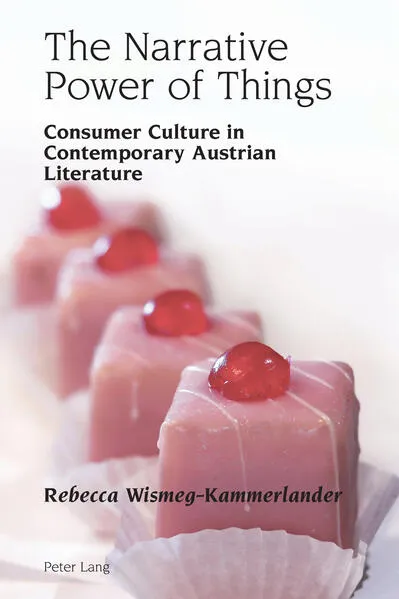
Cover: The Narrative Power of Things

The Narrative Power of Things

In the increasingly globalised consumer culture of the twenty-first century, consumer goods have long become more than mere commodities: they are markers of identity and tools of narration. Advertising, branding and other processes of consumer culture are ubiquitous and charge objects with meaning, impacting the way we perceive them and those who wear, use, showcase or discard them. This close link between consumer culture and the narration of identities – ranging from an individual to a national level – affects the construction of «national brands», as can be seen through contemporary writing.

With a focus on post-2000 Austrian literature, this book unveils how a skilful reading of consumer objects – both branded and non-branded – can enrich literary analysis. Introducing the concept of consumer literacy and applying it to Wolf Haas’ Das Wetter vor 15 Jahren, Thomas Glavinic’s Die Arbeit der Nacht, Arno Geiger’s Es geht uns gut and Raphaela Edelbauer’s Das flüssige Land, the study showcases the narrative power of consumer goods and the impact of Austrian literature and its writers on the idyllic national brand that stands in stark contrast to a troubled past.
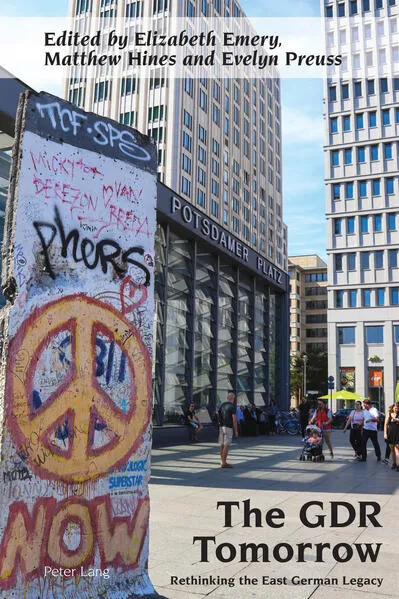
Cover: The GDR Tomorrow
  • Band: 13
  • Autor: Emery, Elizabeth
  • Anzahl Bewertungen: 0
  • Ø Bewertung:
  • Medium: Buch
  • Veröffentlicht: 31.01.2024
  • Genre: Sonstiges

The GDR Tomorrow

A unique experiment at the frontlines of the Cold War, the German Democratic Republic collapsed more than thirty years ago. But it did not simply vanish. Far from being a footnote in history, the state and its legacies continue to inform identities, politics, and culture today. Studies of surveillance and government control, individual agency and equal opportunity, informal networks, strategic alliances, and strategies subverting limitations on freedom of expression prompt us to rethink our conceptualizations of the GDR.
Introducing the work of a new generation of researchers, this collection applies such approaches to a wide range of examples from film, theatre, music, literature, radio, and law. The chapters explore and transgress temporal, national, and disciplinary boundaries. From these investigations emerges a pervasive pattern of informal, border-transcending spheres, subversive identity discourses, and effective agency. Drawing variously on concepts such as Eigen-Sinn, informal society, and alternative public spheres, the papers presented here highlight the relevance of GDR Studies looking forwards. More than a volume about just the past, The GDR Tomorrow holds implications for the future.

Diesen Artikel teilen