Chronologie aller Bände (1 - 2)
Die Reihenfolge beginnt mit dem Buch "Baltic Peripeties". Wer alle Bücher der Reihe nach lesen möchte, sollte mit diesem Band von Oksana Alekseev beginnen. Der zweite Teil der Reihe "Rawa: The River That Connects" ist am 05.10.2026 erschienen. Die Reihe umfasst derzeit 2 Bände. Der neueste Band trägt den Titel "Rawa: The River That Connects".
- Anzahl der Bewertungen für die gesamte Reihe: 0
- Ø Bewertung der Reihe: 0
- Start der Reihe: 14.07.2025
- Neueste Folge: 05.10.2026
Diese Reihenfolge enthält 2 unterschiedliche Autoren.

- Autor: Alekseev, Oksana
- Anzahl Bewertungen: 0
- Ø Bewertung:
- Medium: Buch
- Veröffentlicht: 14.07.2025
- Genre: Sonstiges
Baltic Peripeties
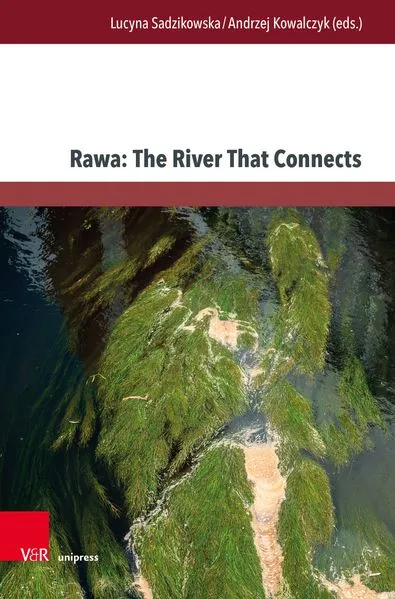
- Autor: Prof. Dr. Lucyna Sadzikowska
- Anzahl Bewertungen: 0
- Ø Bewertung:
- Medium: Buch
- Veröffentlicht: 05.10.2026
- Genre: Sonstiges
Rawa: The River That Connects
The authors reconstruct past and present discourses surrounding the Rawa River (Upper Silesia), drawing on previous research and highlighting shared themes in interdisciplinary approaches. What these approaches have in common is the conviction that the existing information and data on the river are insufficient, and that any answer to the question, “What is the Rawa?” would inevitably be overly superficial, vague, and perhaps even universally applicable. It remains difficult to define the Rawa’s potential and function, its physical presence in the urban fabric, and, ultimately, its location and materiality as experienced by individuals and communities in Silesian cities.