
Autor
Felix Berge
3Publikationen
Aktuelle Bücher Hören und Sprechen im Krieg
Felix Berge, Universität der Bundeswehr, München.
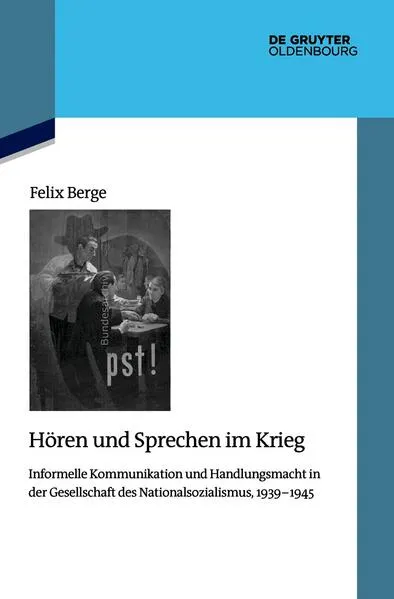
Im Januar 1942 schlug der Sicherheitsdienst des Reichsführers SS Alarm: Die Bevölkerung baue sich „ihr Bild" zusammen und übernehme „die unsinnigsten Gerüchte" kritiklos. Was der SD als ein Problem wahrnahm, bildet den Ansatzpunkt für das Buch des Historikers Felix Berge.
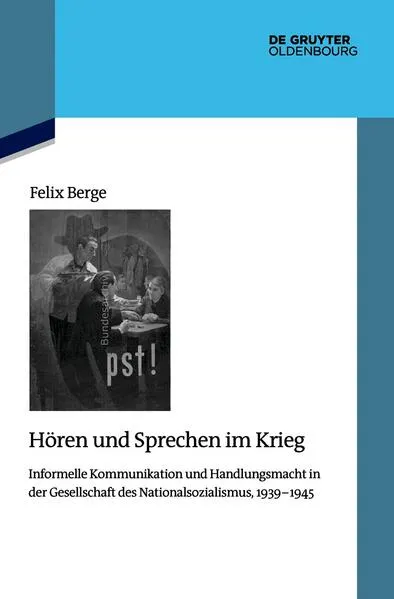
Informal communication shaped German society during World War II. Information could be a source of sovereignty, function as a means of survival, or generate anxiety. Historian Felix Berge examines how rumors and news were compiled, appropriated, and disseminated outside the official media and propaganda channels, reveling how Germans spoke about their hopes and fears, their experiences and expectations, crimes, and the Holocaust.
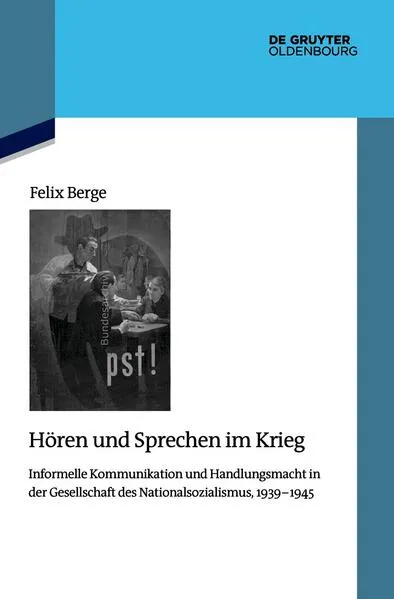
Im Januar 1942 schlug der Sicherheitsdienst des Reichsführers SS Alarm: Die Bevölkerung baue sich „ihr Bild" zusammen und übernehme „die unsinnigsten Gerüchte" kritiklos. Was der SD als ein Problem wahrnahm, bildet den Ansatzpunkt für das Buch des Historikers Felix Berge.