Chronologie aller Bände (1 - 5)
Die Reihenfolge beginnt mit dem Buch "Animals in Detective Fiction". Wer alle Bücher der Reihe nach lesen möchte, sollte mit diesem Band von Ruth Hawthorn beginnen. Der zweite Teil der Reihe "Animals in Detective Fiction" ist am 21.12.2023 erschienen. Mit insgesamt 5 Bänden wurde die Reihe über einen Zeitraum von ungefähr 3 Jahren fortgesetzt. Der neueste Band trägt den Titel "Animality and Horror Cinema".
- Anzahl der Bewertungen für die gesamte Reihe: 0
- Ø Bewertung der Reihe: 0
- Start der Reihe: 07.12.2022
- Neueste Folge: 25.08.2025
Diese Reihenfolge enthält 4 unterschiedliche Autoren.
- Autor: Hawthorn, Ruth
- Anzahl Bewertungen: 0
- Ø Bewertung:
- Medium: Buch
- Veröffentlicht: 07.12.2022
- Genre: Krimi
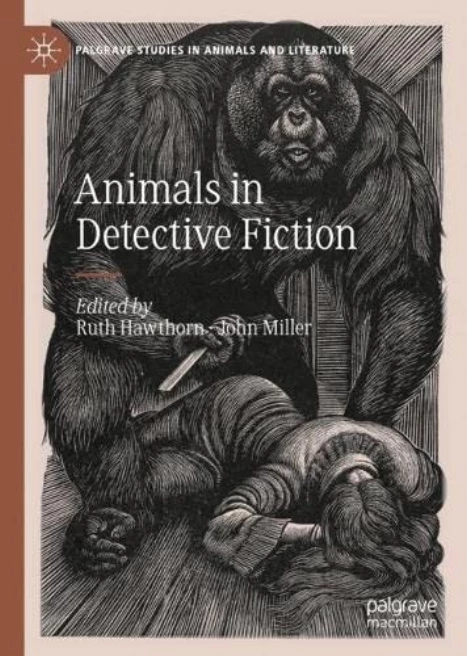
Animals in Detective Fiction
This book explores the vast array of animals that populate detective fiction. If the genre begins, as is widely supposed, with Edgar Allan Poe’s “Murders in the Rue Morgue” (1841), then detective fiction’s very first culprit is an animal. Animals, moreover, consistently appear as victims, clues, and companions, while the abstract conception of animality is closely tied to the idea of criminality. Although it is often described as an essentially conservative form, detective fiction can unsettle the binary of human and animal to intersect with developing concerns in animal studies: animal agency, the ethical complexities of human/animal interaction, the politics and literary aesthetics of violence, and animal metaphor. Gathering its 14 essays into sections on ontologies, ethics, politics, and forms, Animals in Detective Fiction provides a compelling and nuanced analysis of the central role creatures play in this enduringly popular and continually morphing literary form.
- Autor: McKay, Robert
- Anzahl Bewertungen: 0
- Ø Bewertung:
- Medium: Buch
- Veröffentlicht: 23.08.2023
- Genre: Sonstiges
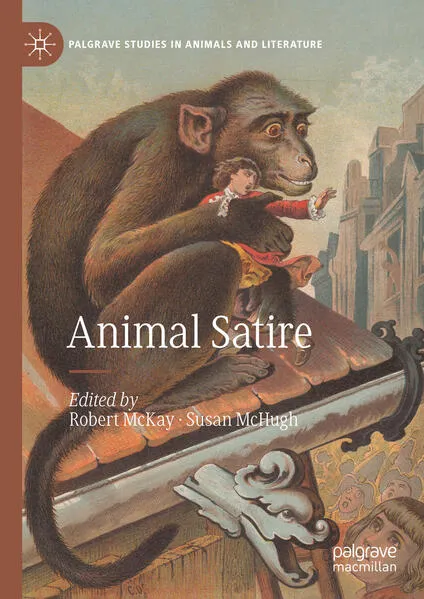
Animal Satire
- Autor: Hawthorn, Ruth
- Anzahl Bewertungen: 0
- Ø Bewertung:
- Medium: Buch
- Veröffentlicht: 21.12.2023
- Genre: Krimi
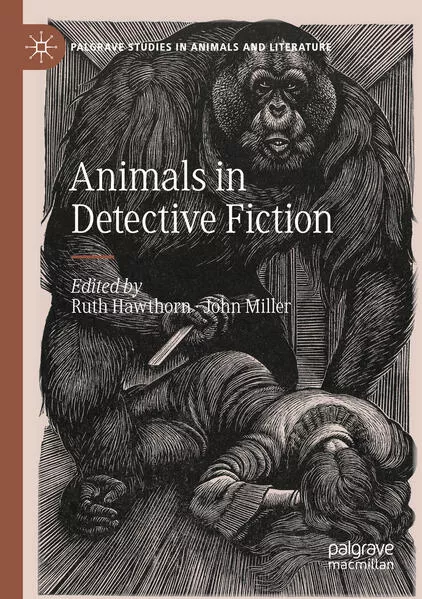
Animals in Detective Fiction
This book explores the vast array of animals that populate detective fiction. If the genre begins, as is widely supposed, with Edgar Allan Poe’s “Murders in the Rue Morgue” (1841), then detective fiction’s very first culprit is an animal. Animals, moreover, consistently appear as victims, clues, and companions, while the abstract conception of animality is closely tied to the idea of criminality. Although it is often described as an essentially conservative form, detective fiction can unsettle the binary of human and animal to intersect with developing concerns in animal studies: animal agency, the ethical complexities of human/animal interaction, the politics and literary aesthetics of violence, and animal metaphor. Gathering its 14 essays into sections on ontologies, ethics, politics, and forms, Animals in Detective Fiction provides a compelling and nuanced analysis of the central role creatures play in this enduringly popular and continually morphing literary form.
- Autor: Bulleid, Joshua
- Anzahl Bewertungen: 0
- Ø Bewertung:
- Medium: Buch
- Veröffentlicht: 24.10.2024
- Genre: Sonstiges
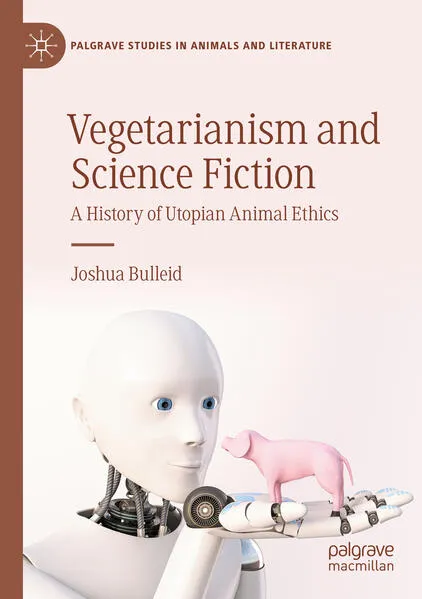
Vegetarianism and Science Fiction
- Autor: Sands, Peter
- Anzahl Bewertungen: 0
- Ø Bewertung:
- Medium: Buch
- Veröffentlicht: 25.08.2025
- Genre: Sonstiges
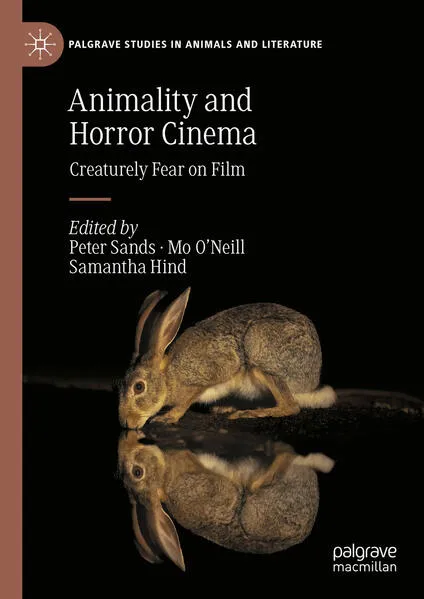
Animality and Horror Cinema
Animality and Horror Cinema provides a wide-ranging overview of the role played by animals in the genre of horror cinema. Across four sections that unite affective and generic modes of horror with animals, animality, and the discourse of species, the volume demonstrates the multivalent operation of animality in transnational cinemas that look beyond the trope of monstrous adversity associated with the creature feature. With chapters focusing on the extrusion of animals from horror narratives, the multisensorial dimensions of animal horror, the intrusion of documentary violence, and the horrific contiguity of human and nonhuman flesh, it argues for the concept of creaturely fear as a lens through which to read horror’s blurring of the species barrier. The collection appeals to those interested in the intersection of animal and film studies with memory studies, afropessimism and critical race theory, posthumanism, biopolitics, ecocriticism, queer theory and vegan theory.