Chronologie aller Bände (1 - 5)
Die Reihenfolge beginnt mit dem Buch "Anxiety and Anxiolytic Drugs". Wer alle Bücher der Reihe nach lesen möchte, sollte mit diesem Band von Florian Holsboer beginnen. Der zweite Teil der Reihe "Anxiety and Anxiolytic Drugs" ist am 19.10.2010 erschienen. Mit insgesamt 5 Bänden wurde die Reihe über einen Zeitraum von ungefähr 9 Jahren fortgesetzt. Der neueste Band trägt den Titel "Sex and Gender Differences in Pharmacology".
- Anzahl der Bewertungen für die gesamte Reihe: 0
- Ø Bewertung der Reihe: 0
- Start der Reihe: 22.06.2005
- Neueste Folge: 09.11.2014
Diese Reihenfolge enthält 5 unterschiedliche Autoren.
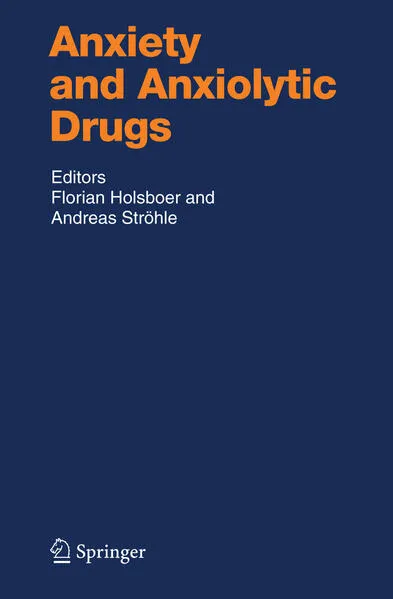
- Autor: Holsboer, Florian
- Anzahl Bewertungen: 0
- Ø Bewertung:
- Medium: Buch
- Veröffentlicht: 22.06.2005
- Genre: Sonstiges
Anxiety and Anxiolytic Drugs
The present volume gives a comprehensive overview on the current state of basic and clinical research on Anxiety and Anxiolytic Drugs. Using newly developed methods and techniques researchers are now beginning to understand the molecular mechanisms of anxiety, anxiety disorders and their treatment. In parallel, new drug targets have been generated and the first clinical studies with new compounds have been started. In 20 chapters written by numerous experts in the field comprehensive information on all relevant topics is provided.
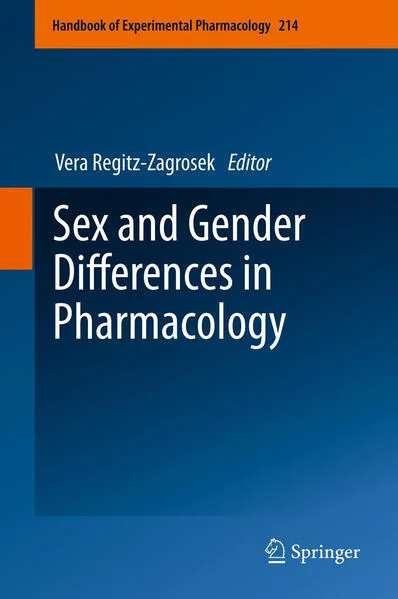
- Autor: Regitz-Zagrosek, Vera
- Anzahl Bewertungen: 0
- Ø Bewertung:
- Medium: Buch
- Veröffentlicht: 02.10.2012
- Genre: Sonstiges
Sex and Gender Differences in Pharmacology

- Band: 96
- Autor: Ryley, John F.
- Anzahl Bewertungen: 0
- Ø Bewertung:
- Medium: E-Book
- Veröffentlicht: 06.12.2012
- Genre: Sonstiges
Chemotherapy of Fungal Diseases

- Band: 114
- Autor: Kranzler, Henry R.
- Anzahl Bewertungen: 0
- Ø Bewertung:
- Medium: E-Book
- Veröffentlicht: 06.12.2012
- Genre: Comedy
The Pharmacology of Alcohol Abuse
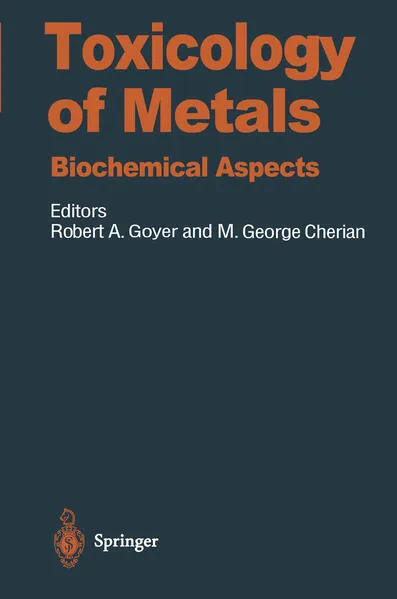
- Band: 115
- Autor: Goyer, Robert A.
- Anzahl Bewertungen: 0
- Ø Bewertung:
- Medium: E-Book
- Veröffentlicht: 06.12.2012
- Genre: Sonstiges