Chronologie aller Bände (1 - 3)

Die Reihenfolge beginnt mit dem Buch "Kleine Formen für den Unterricht". Wer alle Bücher der Reihe nach lesen möchte, sollte mit diesem Band von Julia Heideklang beginnen. Der zweite Teil der Reihe "Kleine Formen für den Unterricht" ist am 11.11.2019 erschienen. Mit insgesamt 3 Bänden wurde die Reihe über einen Zeitraum von ungefähr 3 Jahren fortgesetzt. Der neueste Band trägt den Titel "Werte der Klassiker – Klassiker der Werte".
- Anzahl der Bewertungen für die gesamte Reihe: 0
- Ø Bewertung der Reihe: 0
- Start der Reihe: 11.11.2019
- Neueste Folge: 13.02.2023
Diese Reihenfolge enthält 3 unterschiedliche Autoren.

- Autor: Heideklang, Julia
- Anzahl Bewertungen: 0
- Ø Bewertung:
- Medium: Buch
- Veröffentlicht: 11.11.2019
- Genre: Sonstiges
Kleine Formen für den Unterricht
Die Kleinformen des Schreibens – unter anderem Skizzen, Abstracts, Notizen, Protokolle, Exzerpte, Essays, Anekdoten, Sprichwörter und Paratexte – können in ihrer Bedeutung für die schulische Unterrichtspraxis wie für die Forschung kaum überschätzt werden. Zugleich stellen die Gebrauchskontexte kleiner Formen im Lehr-Lernalltag ein Forschungsdesiderat dar. Die interdisziplinären Beiträge des Sammelbandes untersuchen und hinterfragen das Auftreten kleiner Formen in ihren historischen und gegenwärtigen Zusammenhängen. Sie analysieren dabei Möglichkeiten und Schwierigkeiten des Einsatzes kleiner Formen und entwerfen Perspektiven für reflektierte Anwendungsmöglichkeiten von kleinen Formen im Schulunterricht, auch mit Blick auf zukünftige Anforderungen und Bedingungen schulischer Bildung.
Small forms of writing—e.g. sketches, abstracts, notes, protocols, excerpts, essays, anecdotes, proverbs and paratexts—cannot be overestimated in their importance both for school teaching and for scientific research. In the broad field of research on small forms, their usage in teaching and learning in schools requires to be examined. Therefore, this collection of interdisciplinary essays critically scrutinizes and explores the various small forms considering their historical contexts. Moreover, they aim at analyzing the current usages regarding their possibilities as well as difficulties and, ultimately, point out some approaches for a reflected handling of small forms for school teaching, particularly regarding future requirements and conditions of school education.
Small forms of writing—e.g. sketches, abstracts, notes, protocols, excerpts, essays, anecdotes, proverbs and paratexts—cannot be overestimated in their importance both for school teaching and for scientific research. In the broad field of research on small forms, their usage in teaching and learning in schools requires to be examined. Therefore, this collection of interdisciplinary essays critically scrutinizes and explores the various small forms considering their historical contexts. Moreover, they aim at analyzing the current usages regarding their possibilities as well as difficulties and, ultimately, point out some approaches for a reflected handling of small forms for school teaching, particularly regarding future requirements and conditions of school education.
- Autor: Bialek, Edward
- Anzahl Bewertungen: 0
- Ø Bewertung:
- Medium: Buch
- Veröffentlicht: 15.02.2021
- Genre: Sonstiges
Ost-Geschichten
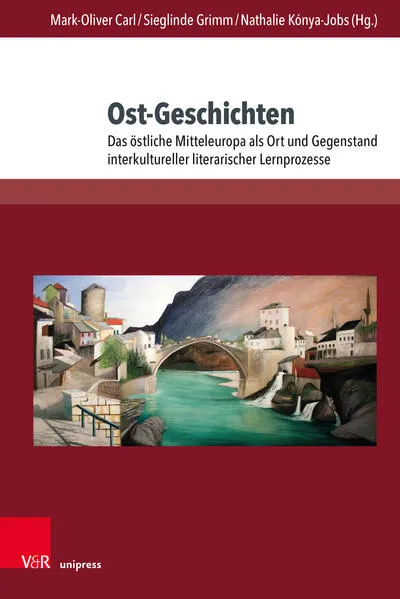
Die öffentliche Aufmerksamkeit, die den literarischen Kulturen des östlichen Mitteleuropa mittlerweile zukommt und die sich auch in den Literatur- und Kulturwissenschaften spiegelt, hat noch kaum in den literaturdidaktischen Diskurs Eingang gefunden. Demgegenüber bildet an unseren Schulen eine aus den Staaten der östlichen Hälfte Mitteleuropas zugewanderte Schülerschaft die größte Gruppe innerhalb einer nach wie vor wachsenden Zahl von Schüler_innen mit Migrationshintergrund. Im Rahmen der interkulturellen Literaturdidaktik präsentiert der Band vielfältige Zugänge und Anknüpfungspunkte für die Vermittlung und Behandlung literarischer Texte aus und über Ostmitteleuropa in Schule und Unterricht.
Many critically appraised works of contemporary German literature cannot be understood without ascertaining its ties and references to Eastern Central Europe and its cultures. At the same time, German classrooms are full of students with biographical and family ties to Central and Eastern European countries. The discourse on literary education has ignored this topic for too long. This volume presents a wide array of didactical perspectives on literary texts related to Central Eastern Europe, as well as ideas for their discussion in the intercultural literary classroom.
Many critically appraised works of contemporary German literature cannot be understood without ascertaining its ties and references to Eastern Central Europe and its cultures. At the same time, German classrooms are full of students with biographical and family ties to Central and Eastern European countries. The discourse on literary education has ignored this topic for too long. This volume presents a wide array of didactical perspectives on literary texts related to Central Eastern Europe, as well as ideas for their discussion in the intercultural literary classroom.
- Autor: Dall'Armi, Julia v.
- Anzahl Bewertungen: 0
- Ø Bewertung:
- Medium: Buch
- Veröffentlicht: 13.02.2023
- Genre: Roman
Werte der Klassiker – Klassiker der Werte
Angesichts der aktuellen Debatten um die Werte unserer Kultur ist der Deutschunterricht gefordert wie selten zuvor: Literarische Texte fördern die Entwicklung von Kulturbewusstheit und stellen somit eine elementare Voraussetzung für Wertbildungsprozesse und Identitätsentwicklung dar. Doch was können die Klassiker der deutschen Literatur hierzu beitragen? Im Blick auf die Herausforderungen einer durch Migration und Flucht bedingten Veränderung der Schüler:innenschaft sind didaktische Konzepte gefragt, welche die neue gesellschaftliche Verantwortung des Deutschunterrichts für gelingende Integration entwickeln und mitgestalten. Daher beschäftigt sich der Band insbesondere mit der Frage, welche Lernprozesse die Bewusstwerdung von Werten begünstigen, damit ein erfolgreiches Zusammenleben innerhalb der Gesellschaft möglich ist.
In view of current debates about the values of our culture, the teaching of German faces claims higher than ever before: literary texts promote the development of cultural awareness and thus they are an elementary prerequisite for value formation processes and identity development. But in what way can the classics of German literature contribute to this? Considering the challenges of a change in the student body caused by migration and flight, didactic concepts are required that develop and help shape the new social responsibility of the teaching of German with reference to a succeeding integration. Therefore, the volume deals in particular with the question of which learning processes promote the awareness of values in order to allow for a successful coexistence within society.
In view of current debates about the values of our culture, the teaching of German faces claims higher than ever before: literary texts promote the development of cultural awareness and thus they are an elementary prerequisite for value formation processes and identity development. But in what way can the classics of German literature contribute to this? Considering the challenges of a change in the student body caused by migration and flight, didactic concepts are required that develop and help shape the new social responsibility of the teaching of German with reference to a succeeding integration. Therefore, the volume deals in particular with the question of which learning processes promote the awareness of values in order to allow for a successful coexistence within society.