Autorin
Thea Von Harbou
3Publikationen
277Buchbewertungen
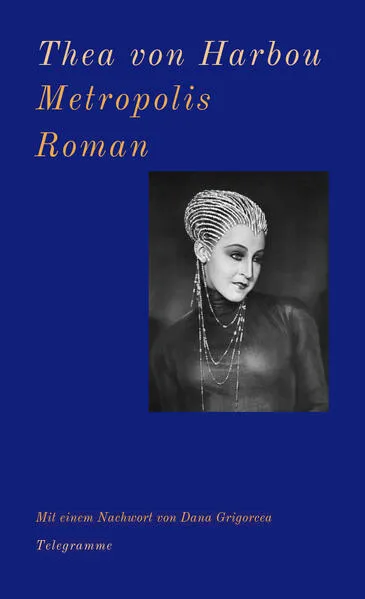
Thea von Harbou (1888.1954) was a German screenwriter and novelist who left a lasting mark on science fiction literature and expressionist cinema. Born in Tauperlitz, she began her career as an actress before turning to writing. Her novel Metropolis (1925), adapted with Fritz Lang, whom she married, depicts a futuristic city torn by class struggle and manipulated by a robot.
Collaborating with Lang on films such as M, Harbou developed a gothic and political aesthetic, blending technology with social critique. Her later involvement with the Nazi party tarnished her reputation, but her influence on science fiction and dystopian cinema remains undeniable. She played the role of mediator between literature and film, exploring the anxieties of industrial modernity.
Collaborating with Lang on films such as M, Harbou developed a gothic and political aesthetic, blending technology with social critique. Her later involvement with the Nazi party tarnished her reputation, but her influence on science fiction and dystopian cinema remains undeniable. She played the role of mediator between literature and film, exploring the anxieties of industrial modernity.