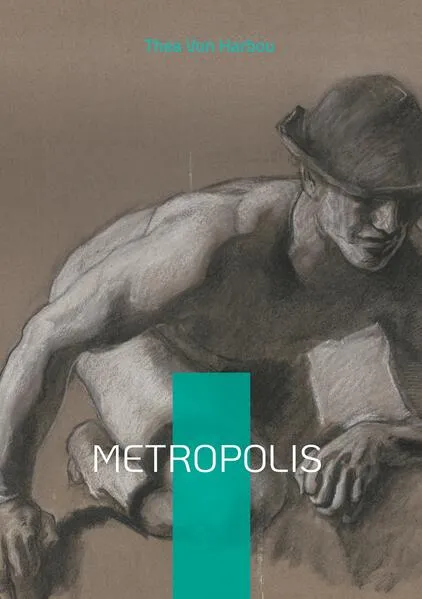
Thea Von Harbou
Metropolis
- Science fiction and futurism
ISBN: 978-2-322-57074-4
300 Seiten | € 23.30
Buch [Taschenbuch]
Erscheinungsdatum:
09.07.2025
Sonstiges
Thea Von Harbou
Metropolis
Science fiction and futurism
4.2/5.00 bei 277 Reviews - aus dem Web
Metropolis by Thea von Harbou immerses readers in a futuristic city of the twenty-second century, where a privileged elite lives above ground while exploited workers toil in dark underground tunnels. Freder, the son of the ruler Joh Fredersen, is horrified to discover the inhumane conditions endured by the workers. His encounter with Maria, a symbol of peaceful resistance, inspires him to act as a mediator between the two classes.
The inventor Rotwang creates a robot in Marias image to manipulate the masses and incite a violent revolution. As the city descends into chaos, Freder strives to rescue children from flooding and expose the deception. The novel explores themes of dehumanization through technology, class struggle, and the hope for reconciliation through love.
This classic of German science fiction, which inspired Fritz Langs iconic film, remains a visionary work of dystopian literature. It offers a timeless critique of industrialization and social division, while fitting naturally into the tradition of political speculative fiction. Book categories such as classic science fiction, dystopian fiction, and German literature are subtly highlighted in this enduring novel.
The inventor Rotwang creates a robot in Marias image to manipulate the masses and incite a violent revolution. As the city descends into chaos, Freder strives to rescue children from flooding and expose the deception. The novel explores themes of dehumanization through technology, class struggle, and the hope for reconciliation through love.
This classic of German science fiction, which inspired Fritz Langs iconic film, remains a visionary work of dystopian literature. It offers a timeless critique of industrialization and social division, while fitting naturally into the tradition of political speculative fiction. Book categories such as classic science fiction, dystopian fiction, and German literature are subtly highlighted in this enduring novel.


Unterstütze den lokalen Buchhandel
Nutze die PLZ-Suche um einen Buchhändler in Deiner Nähe zu finden.
Bestelle dieses Buch im Internet



| Veröffentlichung: | 09.07.2025 |
| Höhe/Breite/Gewicht | H 21 cm / B 14,8 cm / 438 g |
| Seiten | 300 |
| Art des Mediums | Buch [Taschenbuch] |
| Preis DE | EUR 23.30 |
| Preis AT | EUR 24.00 |
| Auflage | 1. Auflage |
| ISBN-13 | 978-2-322-57074-4 |
| ISBN-10 | 2322570745 |

Über die Autorin
Thea von Harbou (1888.1954) was a German screenwriter and novelist who left a lasting mark on science fiction literature and expressionist cinema. Born in Tauperlitz, she began her career as an actress before turning to writing. Her novel Metropolis (1925), adapted with Fritz Lang, whom she married, depicts a futuristic city torn by class struggle and manipulated by a robot.Collaborating with Lang on films such as M, Harbou developed a gothic and political aesthetic, blending technology with social critique. Her later involvement with the Nazi party tarnished her reputation, but her influence on science fiction and dystopian cinema remains undeniable. She played the role of mediator between literature and film, exploring the anxieties of industrial modernity.